
On this page· 26 sections
- 01What is Alpha-2 Macroglobulin?
- 02What is Alpha-2 Macroglobulin Treatment?
- 03How is Alpha-2 Macroglobulin Prepared?
- 04How is Alpha-2 Macroglobulin Treatment Performed?
- 05In Which Cases is Alpha-2 Macroglobulin Treatment Performed?
- 06What are the Side Effects of Alpha-2 Macroglobulin Treatment?
- 07What is the Difference Between Alpha-2 Macroglobulin Treatment and PRP or Smart Plasma (ACRS) Treatments?
- 081. Mechanism of Action:
- 092. Preparation Content and Process:
- 103. Clinical Usage Differences:
- 114. Application Frequency:
- 12In Summary:
- 13Alpha-2 Macroglobulin Shoulder Injection
- 14How is it Applied?
- 15Post-Procedure:
- 16Advantages:
- 17Alpha-2 Macroglobulin Knee Injection
- 18In Which Cases is it Applied?
- 19How is it Applied?
- 20Benefits:
- 21Comparison with Other Treatments:
- 22Alpha-2 Macroglobulin Hip Injection
- 23In Which Cases is it Applied?
- 24How is it Applied?
- 25Benefits:
- 26Side Effects and Risks:
Alpha-2 Macroglobulin (A2M) is a powerful plasma protein, one of the human body’s own defense mechanisms, particularly notable for its functions such as preventing cartilage degradation and blocking protease enzymes. Today, these biological properties of A2M are transforming into an innovative treatment approach for many degenerative joint diseases, especially osteoarthritis of the knee, hip, and shoulder. In this content, starting from the biological structure of A2M, the preparation, application processes, benefits, side effects of A2M treatment, and its differences from other biological treatments like PRP or smart plasma will be discussed in detail. Furthermore, the conditions under which A2M injection is preferred in shoulder, knee, and hip joints and the advantages this method offers as an alternative to surgery will also be explained. If you are looking for a natural, autologous, and minimally invasive solution for your joint pain, you can find comprehensive information about A2M treatment in this article.
What is Alpha-2 Macroglobulin?
Alpha-2 macroglobulin (A2M) is a large plasma protein synthesized by the liver in the human body. Structurally a tetrameric glycoprotein, A2M performs a wide range of biological functions, primarily as a protease inhibitor. This molecule is particularly known for its ability to neutralize numerous protease enzymes such as serine, cysteine, aspartic, and metalloproteases.
A2M plays an important role in the immune system; it can be involved in regulating inflammatory processes, transporting cytokines, and repairing damaged tissues. Furthermore, it is being investigated as a potential biological agent in controlling increased proteolytic activity in osteoarthritis and other degenerative joint diseases.
What is Alpha-2 Macroglobulin Treatment?
Alpha-2 macroglobulin (A2M) treatment is an innovative approach that has gained attention in recent years, particularly in the biological treatment of degenerative joint diseases (e.g., osteoarthritis). This treatment method involves injecting concentrated A2M proteins, obtained from the patient’s own blood, into the joint. The aim is to slow down or halt cartilage degradation by inhibiting destructive protease enzymes in the joint.
Through its ability to neutralize proteolytic enzymes, A2M can reduce inflammation and tissue damage within the joint. This contributes to a decrease in pain, an increase in joint range of motion, and an improvement in the patient’s quality of life. The treatment is usually administered as one or several injections and is considered an alternative to invasive surgical methods.
This treatment method has not yet entered routine clinical practice in every country and is generally offered within the scope of experimental or advanced regenerative medicine applications.
How is Alpha-2 Macroglobulin Prepared?
The preparation used for Alpha-2 Macroglobulin (A2M) treatment is typically obtained from the patient’s own blood through a special process. This process ensures the preparation of an autologous (patient-specific) biological product and involves the following steps:
-
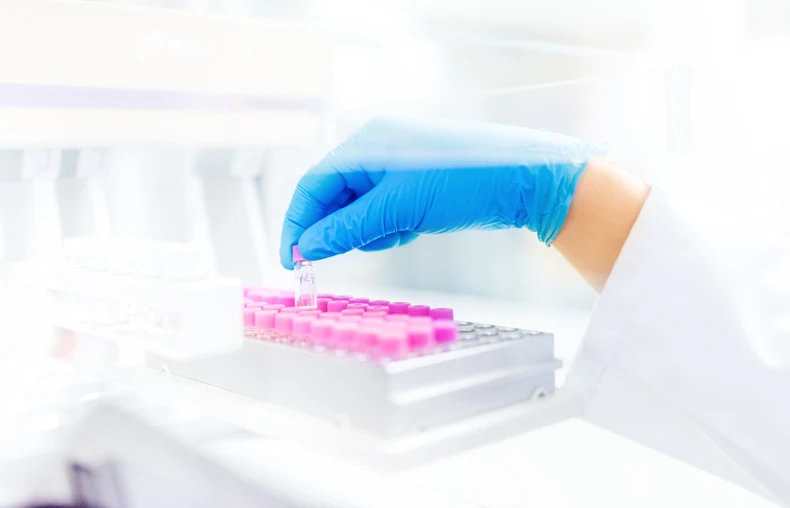
Blood Collection: A specific amount of venous blood is drawn from the patient before treatment.
-
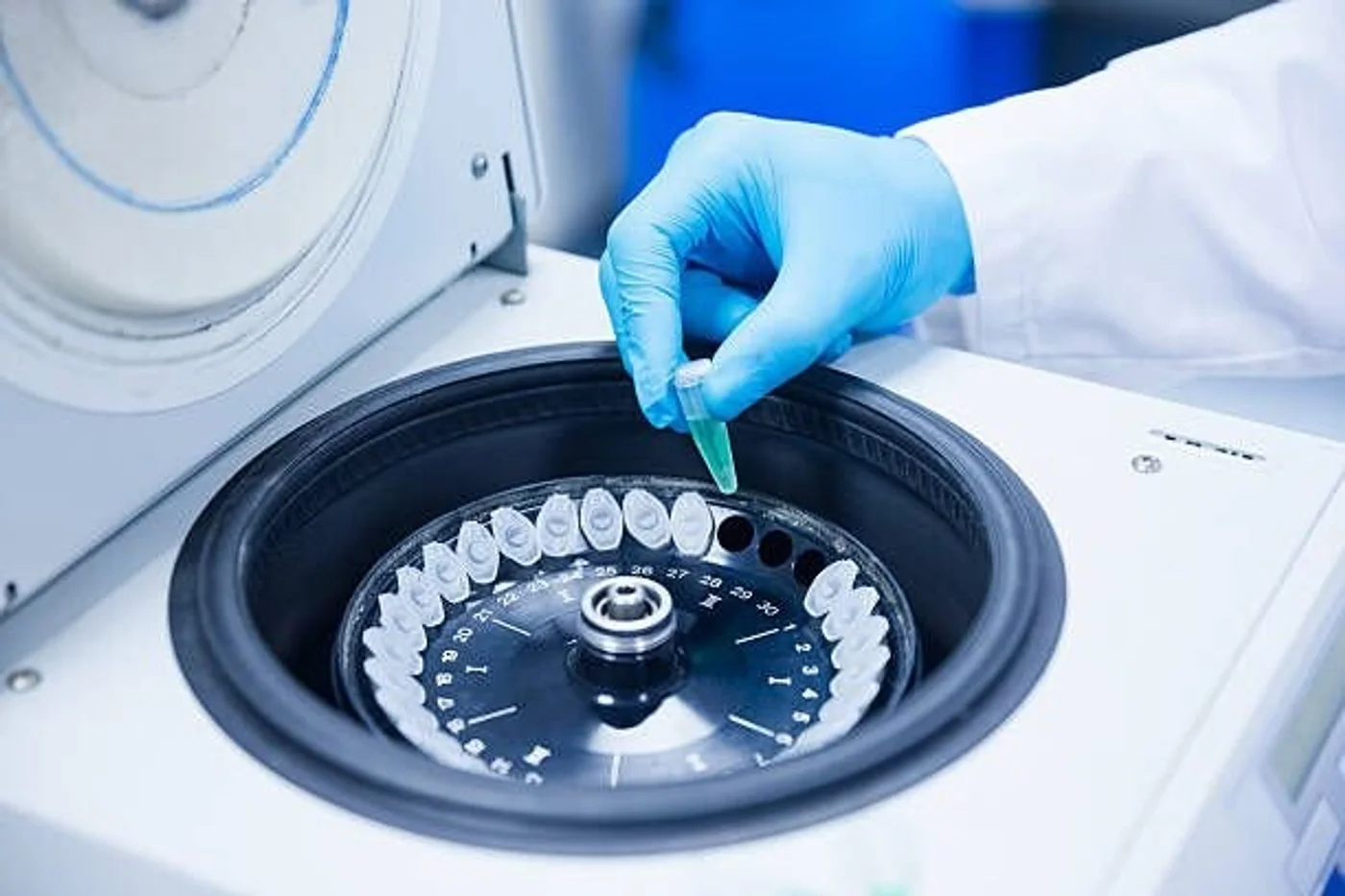
Centrifugation: The collected blood is spun at high speed in a special centrifuge device to separate its components. This process separates plasma, red blood cells, and other components.
-
A2M Concentration: A2M within the plasma is isolated using special filtration or separation methods and brought to a high concentration. At this stage, some systems may use double centrifugation or special columns (e.g., filter-based A2M isolation kits).
-
Injection Preparation: The obtained A2M concentrate is prepared for intra-articular injection under sterile conditions.
This method can usually be completed within 1-2 hours, and treatment can be applied on the same day. The prepared A2M product is specifically applied to joints with osteoarthritis or cartilage damage.
How is Alpha-2 Macroglobulin Treatment Performed?
Alpha-2 macroglobulin (A2M) treatment is a minimally invasive method, typically performed in a clinical setting by injecting the A2M concentrate, prepared from the patient’s own blood, into the target joint. The treatment process consists of the following stages:
-
Patient Evaluation: First, the patient’s clinical examination and imaging findings (e.g., MRI or X-ray) are evaluated to determine suitability for treatment. The most common application areas are knee osteoarthritis and degenerative joint diseases.
-
Blood Collection and Preparation: Venous blood is drawn from suitable patients, and the A2M protein is isolated using special systems and prepared for injection (this process is usually completed on the same day).
-
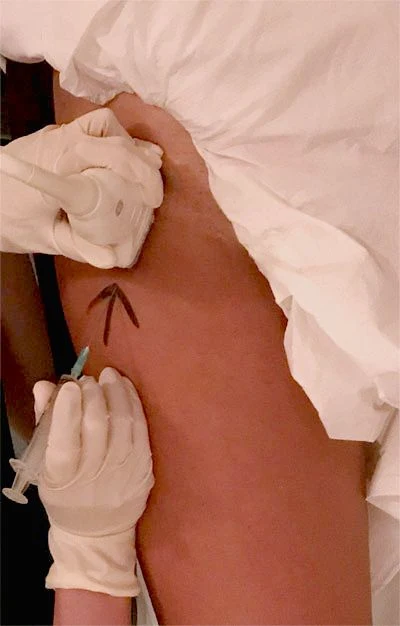
Intra-articular Injection: The prepared A2M concentrate is injected directly into the affected joint under sterile conditions. The injection is usually performed under ultrasound or fluoroscopy guidance, ensuring the medication reaches the target area directly.
-
Post-Procedure Follow-up: After the application, the patient can return to daily life after a short rest. A reduction in pain and an increase in function may be observed within a few days following the injection. In some patients, the treatment can be repeated over several sessions.
A2M treatment is applied to reduce symptoms and slow down disease progression, especially in osteoarthritis patients with high protease activity. This method can be considered as an alternative or complementary to surgery.
In Which Cases is Alpha-2 Macroglobulin Treatment Performed?
Alpha-2 macroglobulin (A2M) treatment is a biological therapy method that aims to protect tissues by suppressing destructive protease activity, especially in degenerative and inflammatory joint diseases. This treatment can be applied in the following cases:
-
Osteoarthritis (Degenerative Joint Disease): A2M treatment’s most common use is for osteoarthritis affecting large joints such as the knee, hip, and shoulder. Due to its potential to slow cartilage degradation, it can be considered a non-surgical option in early and mid-stage osteoarthritis patients.
-
Cartilage Injuries and Degeneration: In focal cartilage lesions due to trauma, joint health can be preserved as A2M supports reparative processes and reduces enzymatic degradation.
-
Sports Injuries: It can be applied to suppress inflammation and support healing in sports-related intra-articular injuries such as ligament and meniscus injuries.
-
Patients with Recurrent Joint Pain: It can be preferred as an alternative method in patients who do not respond to conservative treatments (physical therapy, NSAIDs, viscosupplementation, etc.) but are in an early stage for surgery.
-
Post-Surgical Rehabilitation Process: In some patients who have undergone joint surgery, it can be used as a supportive treatment to reduce inflammation and accelerate healing during the recovery process.
The treatment decision should always be evaluated individually based on the patient’s clinical condition, age, activity level, and radiological findings. A2M treatment has not yet become a standard application for all patients and is considered experimental in some cases.
What are the Side Effects of Alpha-2 Macroglobulin Treatment?
Alpha-2 macroglobulin (A2M) treatment is generally considered safe and has an extremely low risk of allergic reactions because it uses an autologous biological product derived from the patient’s own blood. However, like all medical procedures, A2M treatment also has some possible side effects and risks:
-
Pain and Tenderness at the Injection Site: This is the most common side effect. Mild pain, swelling, or tenderness that can last for a few days may occur in the injected joint.
-
Risk of Infection: Despite being performed under sterile conditions, there is always a low risk of infection in injection procedures. In clinical practice, this rate is quite low.
-
Temporary Joint Stiffness or Fluid Accumulation: Some patients may experience an increase in intra-articular fluid or a feeling of stiffness after the injection. This is usually short-lived and does not require treatment.
-
Failure to Show Expected Effect: As with any biological treatment, A2M treatment may not have the same effect in every patient. Some patients may not achieve the expected improvement in pain and range of motion.
-
Discomfort with Repeated Applications: Some patients may require more than one injection for treatment. This can cause discomfort to the patient and lead to procedural stress.
In general, A2M treatment is considered a much lower-risk method compared to invasive surgeries. However, the benefit-risk ratio should be carefully analyzed for each patient individually, and the patient should be thoroughly informed.
What is the Difference Between Alpha-2 Macroglobulin Treatment and PRP or Smart Plasma (ACRS) Treatments?
Alpha-2 macroglobulin (A2M), PRP (platelet-rich plasma), and smart plasma (ACRS — interleukin antagonist-rich serum) treatments are biological therapeutic approaches used in orthopedic and sports injuries, particularly in osteoarthritis and degenerative joint diseases. All three are obtained from the patient’s own blood, but their mechanisms of action, contents, and targeted biological processes differ:
1. Mechanism of Action:
-
A2M: Aims to halt cartilage degradation by inhibiting destructive protease enzymes (metalloproteinases, serine proteases, etc.). A2M encapsulates harmful enzymes, preventing the inflammatory process within the joint.
-
PRP: Being rich in platelets, it supports tissue regeneration and healing through growth factors (PDGF, TGF-β, VEGF, etc.). It stimulates reparative processes; its anti-inflammatory effect is limited.
-
Smart plasma (ACRS — autologous cytokine-rich serum): Specifically aims to increase the production of interleukin-1 (IL-1) inhibitors. It is effective in suppressing inflammation, particularly playing a role in reducing IL-1-related pain.
2. Preparation Content and Process:
-
A2M: A2M protein is separated from the blood sample using special filtration or centrifugation systems, concentrated, and then injected.
-
PRP: Platelet-rich plasma is prepared using a simple centrifugation method, usually obtained with a 10-20 minute procedure.
-
Smart plasma: Blood is subjected to a special incubation process for 6-8 hours. At the end of this process, cytokine production increases, and then the serum is separated and applied to the joint.
3. Clinical Usage Differences:
-
A2M: Most commonly used in osteoarthritis to halt cartilage degradation. Anti-protease effect is prominent.
-
PRP: Used to accelerate the healing process in tendon, ligament, muscle injuries, and mild-to-moderate osteoarthritis.
-
Smart plasma: Preferred in osteoarthritis where chronic inflammation is prominent. It is effective in pain control and inflammation suppression.
4. Application Frequency:
-
A2M: Generally, 1-3 injection sessions are sufficient. In some systems, a single-dose application may be performed.
-
PRP: Most protocols recommend 2-3 sessions at 2-3 week intervals.
-
Smart plasma: Generally applied 3-6 sessions, once a week.
In Summary:
A2M treatment aims to prevent damage by directly neutralizing destructive enzymes within the joint; PRP increases healing cells and growth factors, while smart plasma targets inflammation-suppressing cytokines. Each is directed towards different pathophysiological targets and should be chosen according to the patient’s clinical condition.
Alpha-2 Macroglobulin Shoulder Injection
Alpha-2 macroglobulin (A2M) injection is a biological and innovative treatment method applied in conditions such as degenerative changes, osteoarthritis, cartilage damage, or chronic inflammation in the shoulder joint. It offers promise especially for patients who do not respond to non-surgical treatments or are seeking alternatives before surgery. In Which Cases is it Applied?
-
Glenohumeral joint osteoarthritis
-
Rotator cuff arthropathy
-
Inflammation accompanying subacromial impingement syndrome
-
Patients with chronic shoulder pain and detected proteolytic enzyme activity
-
For support during the postoperative recovery process
How is it Applied?
-
Preparation: A venous blood sample taken from the patient is enriched with A2M through special centrifugation and filtration processes.
-
Application:
-
The injection into the shoulder joint (glenohumeral, subacromial bursa, etc.) is performed under ultrasound guidance.
-
The procedure is usually done on an outpatient basis and takes approximately 15-20 minutes.
-
The patient is rested for a short period after the injection.
Post-Procedure:
-
A few hours of pain or tightness sensation after the injection is normal.
-
Treatment effectiveness can be increased with physical therapy and shoulder exercises.
-
If necessary, the injection can be repeated in 1-3 sessions.
Advantages:
-
It is a non-surgical, minimally invasive method.
-
Aims to halt intra-articular degradation thanks to its anti-protease effect.
-
As it is autologous (from the patient’s own blood), the risk of allergy and side effects is low.
A2M injection in shoulder osteoarthritis or rotator cuff diseases stands out as a new generation treatment option for both pain control and slowing down degeneration.
Alpha-2 Macroglobulin Knee Injection
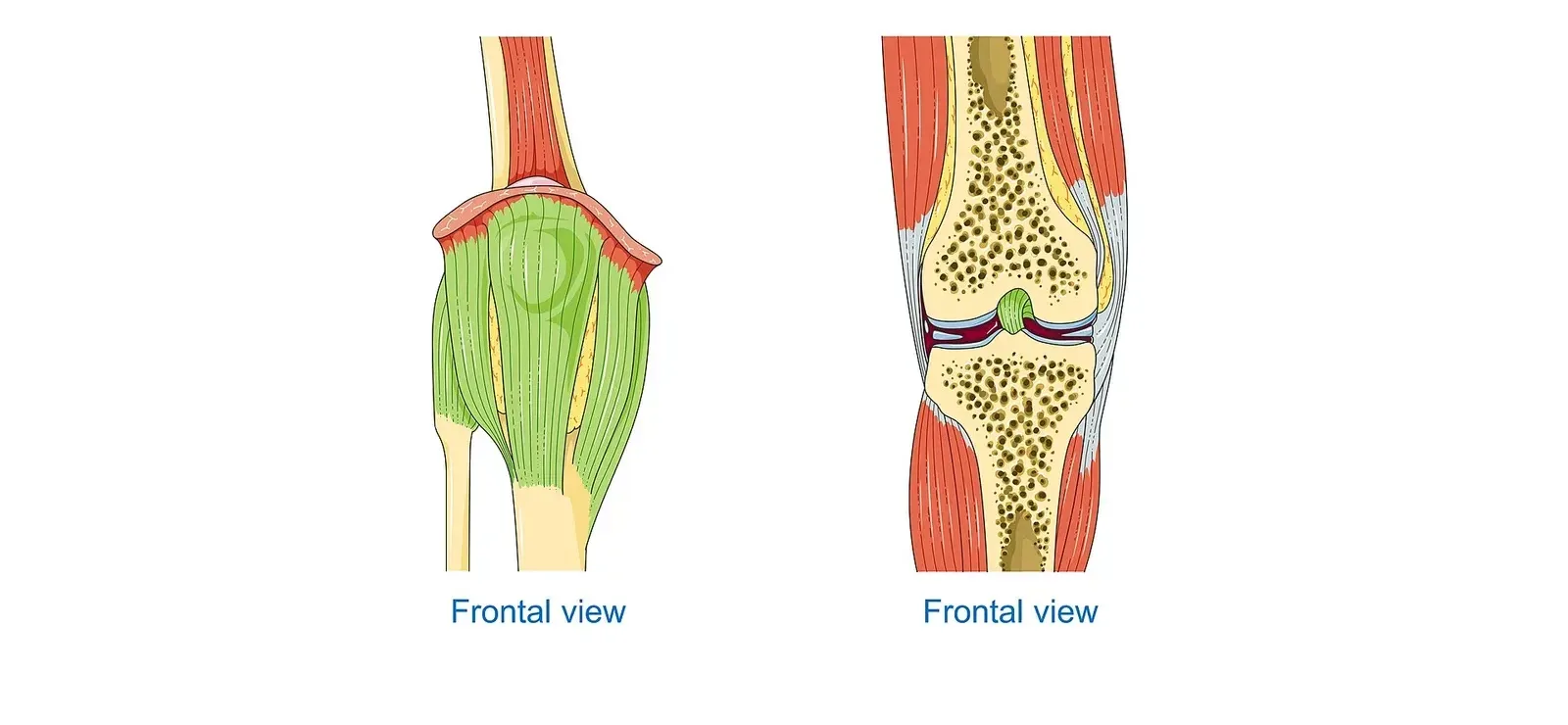
Alpha-2 macroglobulin (A2M) knee injection is a biological treatment method applied in conditions such as knee osteoarthritis and cartilage degeneration. It aims to slow down the destructive process in the joint by neutralizing proteolytic enzymes (e.g., MMPs, serine proteases). It is an effective option for patients seeking a non-surgical approach or diagnosed with early-stage osteoarthritis.
In Which Cases is it Applied?
-
Knee osteoarthritis (especially early and mid-stage)
-
Chondromalacia patellae
-
Post-traumatic cartilage damage
-
To suppress inflammation in meniscus injuries
-
As supportive treatment after knee surgery
How is it Applied?
-
Preparation: 30-60 ml of venous blood is drawn from the patient. The blood is centrifuged and filtered with special systems to obtain A2M-enriched plasma.
-
Application:
-
The A2M concentrate is injected into the knee joint under ultrasound or fluoroscopy guidance.
-
The application is performed under sterile conditions in an outpatient treatment unit and takes approximately 15-20 minutes.
-
If necessary, joint fluid can be aspirated before the injection to provide relief.
-
Follow-up:
-
The patient is discharged on the same day after the procedure.
-
Mild pain, tightness, or tenderness may be observed in the first few days.
-
1-3 sessions of application can be planned (according to clinical response).
Benefits:
-
Potential to slow down or halt cartilage degradation
-
Reduction of pain and increase in mobility
-
Symptom control without the need for surgery
-
Low risk of allergic reactions (autologous product)
Comparison with Other Treatments:
Compared to other injections such as PRP and viscosupplementation, A2M treatment directly targets protease enzymes and thus has a more specific mechanism of action in cartilage protection.
A2M knee injection is a minimally invasive and safe treatment option that biologically suppresses the inflammatory and destructive process in the knee. It should be planned individually based on the patient’s age, activity level, and osteoarthritis stage.
Alpha-2 Macroglobulin Hip Injection
Alpha-2 macroglobulin (A2M) hip injection is a biological treatment method used in the treatment of hip osteoarthritis, cartilage damage, and other degenerative diseases in the hip joint. A2M aims to prevent cartilage degradation by neutralizing proteases. It can be an effective alternative for patients seeking non-surgical treatment options for the hip joint.
In Which Cases is it Applied?
-
Hip Osteoarthritis: Especially in early and mid-stage hip osteoarthritis, it can be used to prevent cartilage degradation and alleviate symptoms.
-
Cartilage Damage and Degeneration: Supportive treatment aimed at repairing and slowing the degradation of cartilage damage in the hip joint.
-
Postoperative Rehabilitation: Can be used to accelerate the healing process and reduce inflammation after hip surgery.
-
Post-traumatic Hip Injuries: Supports the healing process by controlling inflammation caused by hip injuries.
How is it Applied?
-
Blood Collection and Preparation: Venous blood is drawn from the patient, and the blood is subjected to special centrifugation and filtration systems to be enriched with A2M. After the A2M concentrate is obtained, it is prepared for injection.
-
Injection Procedure:
-
The A2M concentrate is injected into the hip joint under ultrasound guidance.
-
During the application, fluids and structures within the joint are accurately targeted, thus the treatment directly affects the joint.
-
The procedure takes approximately 20-30 minutes and is usually performed on an outpatient basis.
-
Follow-up:
-
The patient is rested for a short period after the injection and discharged on the same day.
-
In the first few days, mild pain, tenderness, or swelling may occur in the joint.
-
Treatment is generally applied as a program of 1-3 sessions. The interval between sessions is determined according to the patient’s condition and response to treatment.
Benefits:
-
Cartilage Protection: A2M helps protect cartilage tissue by neutralizing harmful proteases within the joint. This is a significant advantage, especially for osteoarthritis patients.
-
Pain Reduction: The injection can reduce inflammation and pain in the joint, and increase the range of motion.
-
Surgical Alternative: A2M treatment offers an option to manage symptoms without the need for more advanced surgical interventions in the hip joint.
Side Effects and Risks:
While A2M treatment is generally considered safe, temporary pain, swelling, or tenderness may occur in the joint after the injection. Although the risk of infection at the injection site is low, this risk is not completely eliminated. The risk of any allergic reaction is minimal because the treatment is patient-specific (autologous).
A2M injection for the hip joint can be considered an effective treatment method for slowing cartilage damage, reducing inflammation, and alleviating pain. This method offers an alternative to situations requiring surgical intervention and can improve patients’ quality of life.