

How does the shoulder joint work?
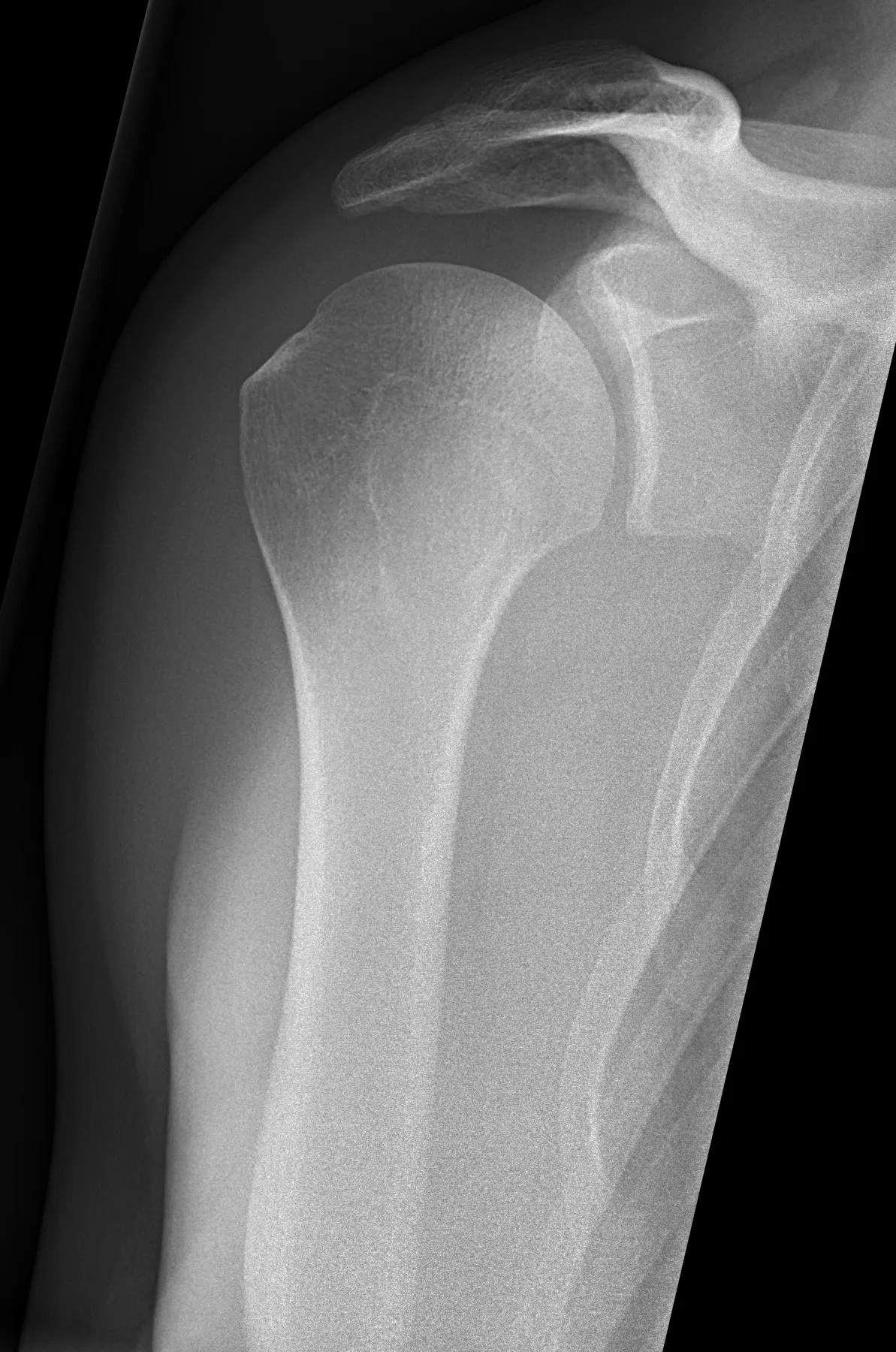
All joints are different. Each joint evolved to perform different activities. Shoulder region; is a combination of the arm (humerus), (clavicle) and (scapula) bones. Shoulder; connects our arms to our hull and positions our hands in the 3D areas where we want. The shoulder bone is attached to the body with the help of various muscles in the dorsa and provides mobility. The collarbone supports the shoulder joint on the anterior side by linking the shoulder bone and chest. The arm and the shoulder blade form the mobile part of the shoulder joint. Almost all this complex structure located on the rib cage is connected to each other by muscle-bond and cartilage structures. This system works effectively only if these soft tissues are healthy.
Why Shoulder Diseases Occur?
The shoulder is a joint that allows us to direct our hands where we want. For reasons such as pain and weakness shoulder movements is restricted and we feel that our body is not enough for our daily life. The aim of shoulder surgery is to correct this problem. The most common problems of the shoulder joint are mechanical problems such as tears and wear. Start-up phase of the problem can be solved by strengthening the muscles and reducing pain. Shoulder surgery to resolve advanced problems; offers effective, reliable and scientific solutions.
Which diseases are cause shoulder pain?
Normal joints do not cause pain or swelling. Diabetes mellitus may cause capsule thickening, pain and immobility around the shoulder. Rheumatic diseases may cause damage to the shoulder joint, as in other joints. The most common reason of shoulder pain is wear in the structures around the joint. Joints, muscles, capsules and bones may cause pain due to overstrain or repeated overloads. Sports activities that are frequently repeated, not performed properly, or overstrained may also cause pain. If the pain cannot be controlled by simple applications (such as ice and rest), an orthopedist should be consulted.
What are Shoulder Diseases and Treatments?

Shoulder Diseases
Topics in this section
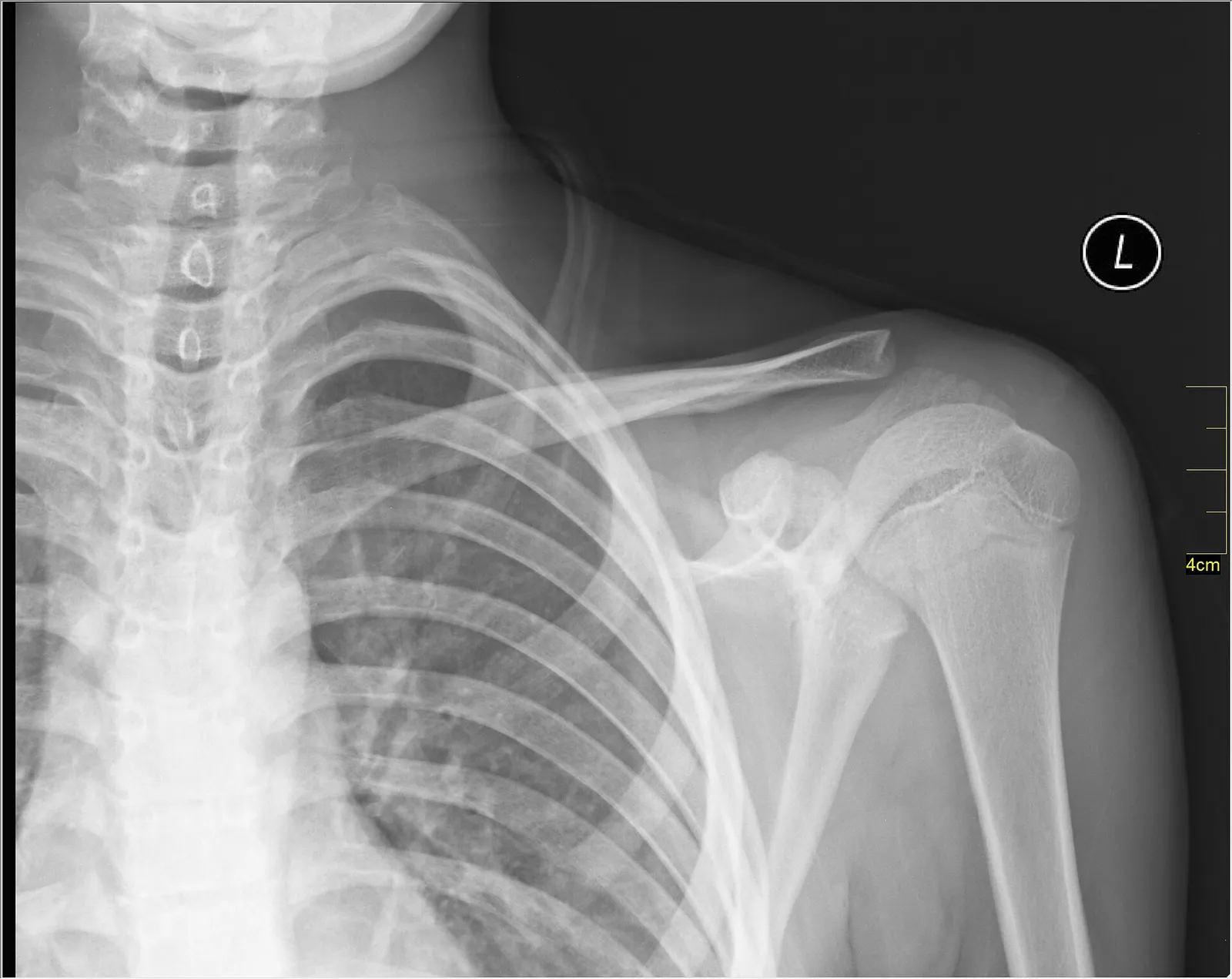 Acromioclavicular (AC) Joint Injuries and DislocationsAcromioclavicular (AC) joint dislocation typically occurs after falling onto the shoulder, resulting from damage to the ligaments between the collarbone and the shoulder blade. Treatment is determined by the degree of injury (Rockwood Type 1-6), the patient's lifestyle, and symptoms.
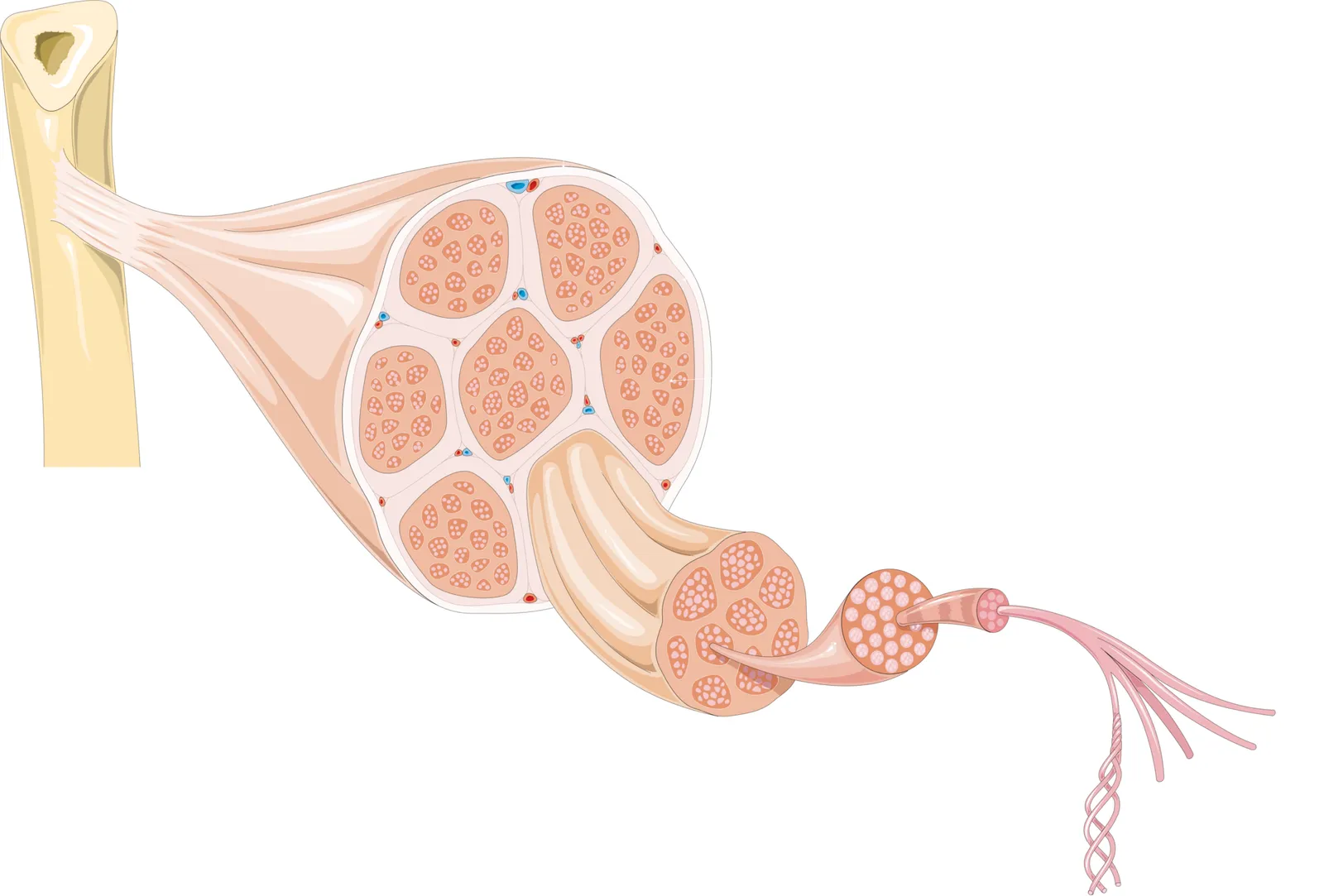 Biceps Tendon ProblemsBiceps tendon problems develop when the long head tendon of the anterior arm muscle within the shoulder becomes inflamed (tendinitis), dislocates (instability), or ruptures, causing pain in the front of the shoulder. Treatment begins with rest, medication, and physical therapy; in resistant cases, arthroscopic tenodesis or tenotomy is applied.
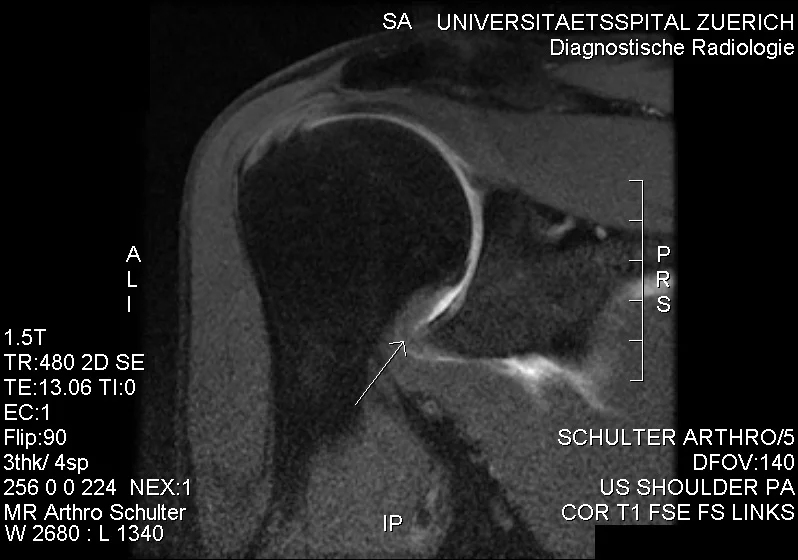 Frozen ShoulderFrozen shoulder (adhesive capsulitis) is a condition where the capsule surrounding the shoulder joint becomes inflamed and thickened, restricting movement. It initially presents with pain, followed by significant loss of motion; it is more common in individuals with diabetes and thyroid conditions. Most patients recover within 12-24 months with exercises, injections, and physical therapy; for resistant cases, arthroscopic release is performed.
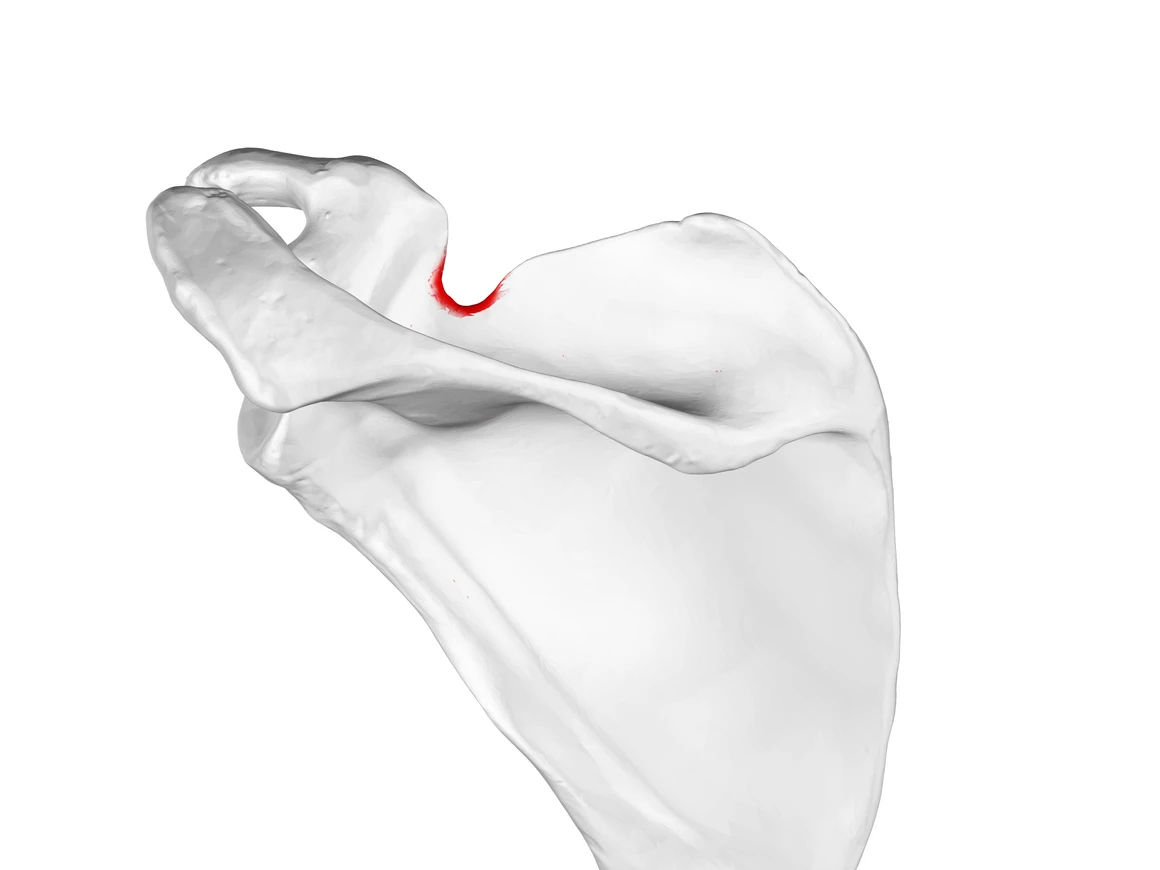 Nerve Entrapments and Injuries in the ShoulderNerve entrapment in the shoulder develops due to the compression of the suprascapular or axillary nerve in narrow canals; it leads to shoulder pain and weakness/atrophy in the shoulder muscles. Ganglion cysts are the most common cause of compression. EMG and MRI are used for diagnosis; it is treated by cyst aspiration or arthroscopic nerve decompression.
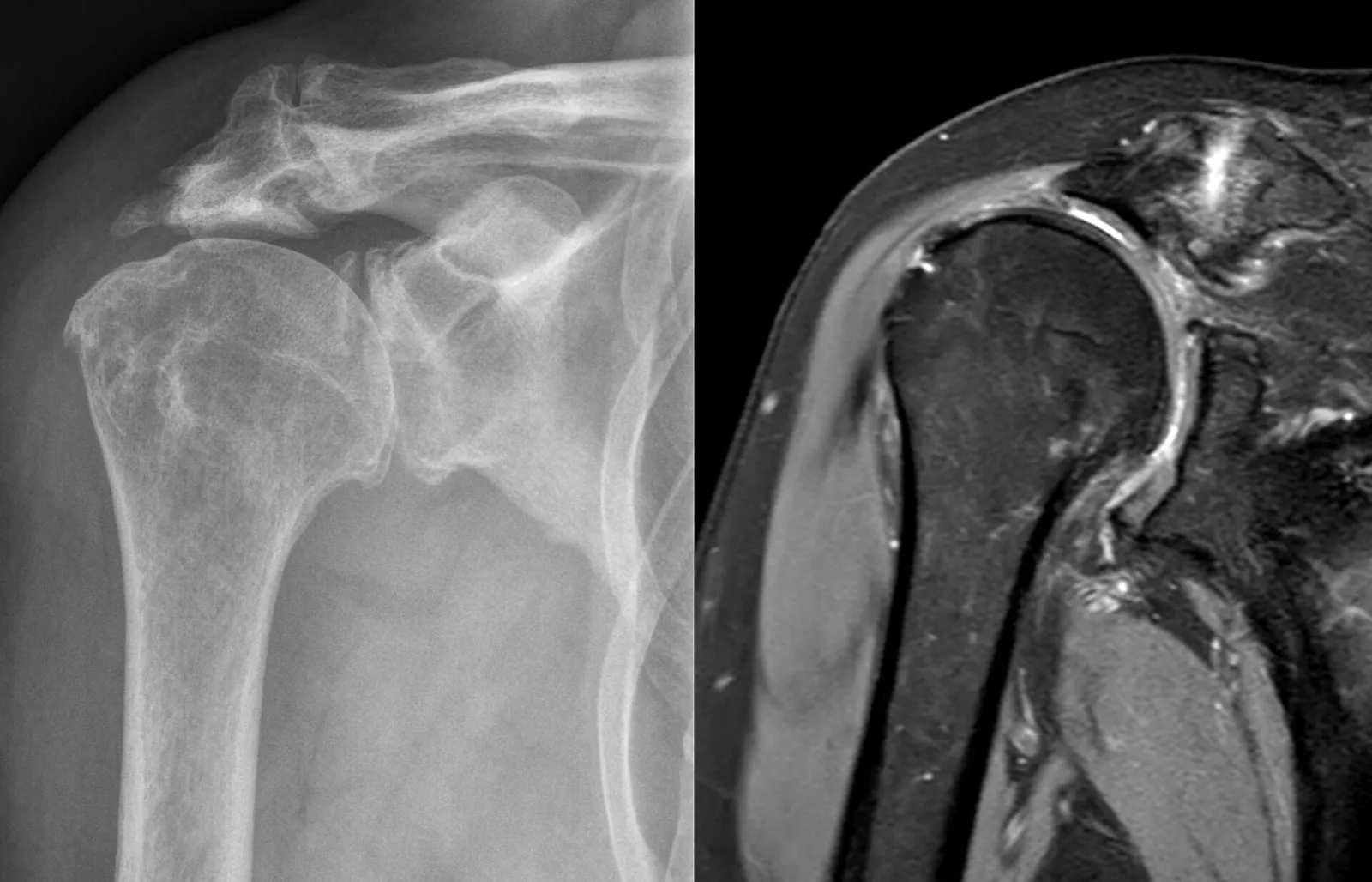 Rotator Cuff Tear & Impingement SyndromeRotator cuff tears and impingement syndrome cause shoulder pain and weakness when raising the arm. Small tears respond to physiotherapy; full-thickness tears are treated with arthroscopic repair.
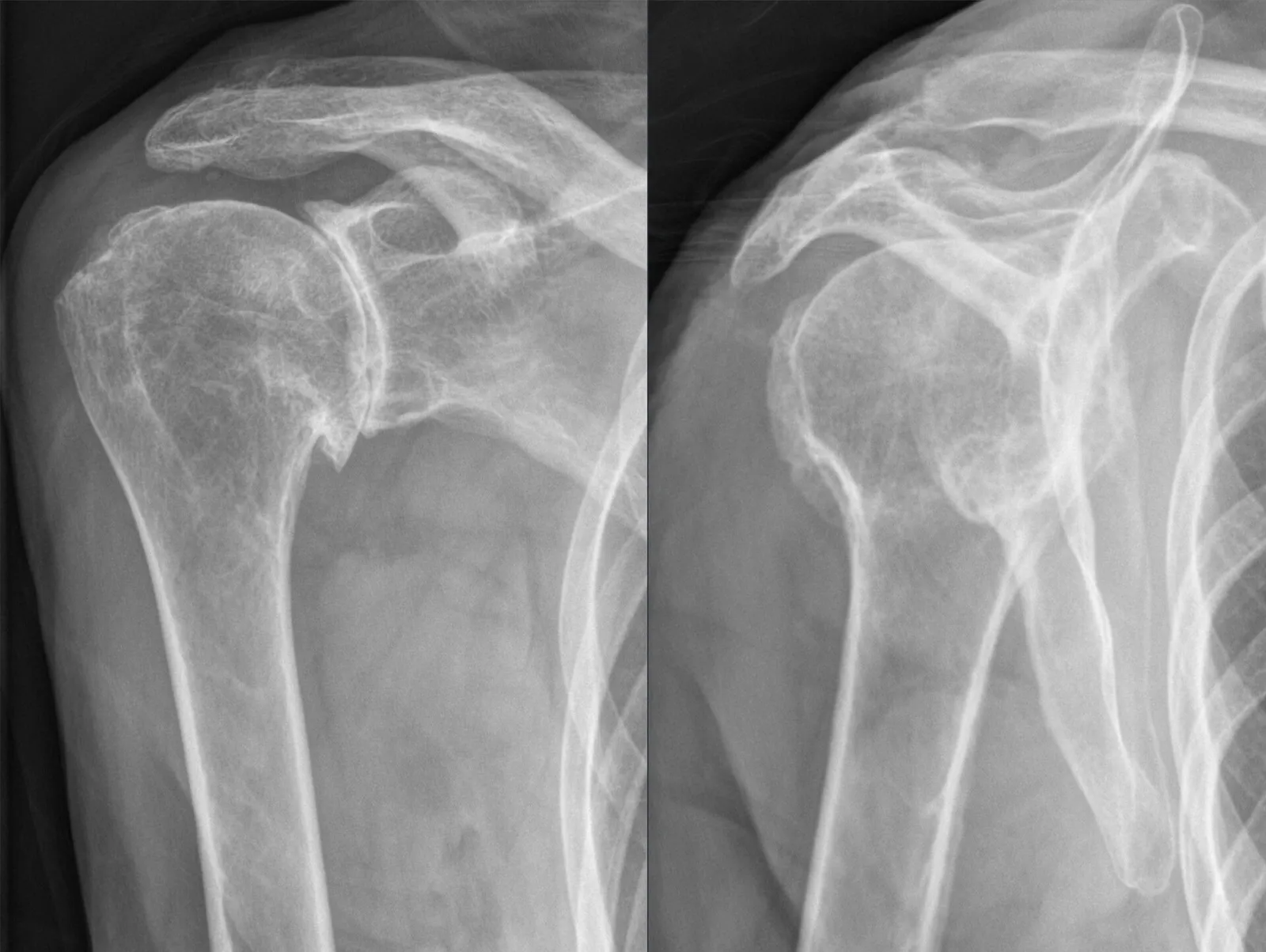 Shoulder Arthritis (Osteoarthritis)Shoulder arthritis is wear of the glenohumeral joint cartilage causing pain, stiffness and grinding. Early stages are managed with physiotherapy and injections; advanced disease is treated with shoulder replacement (anatomic or reverse).
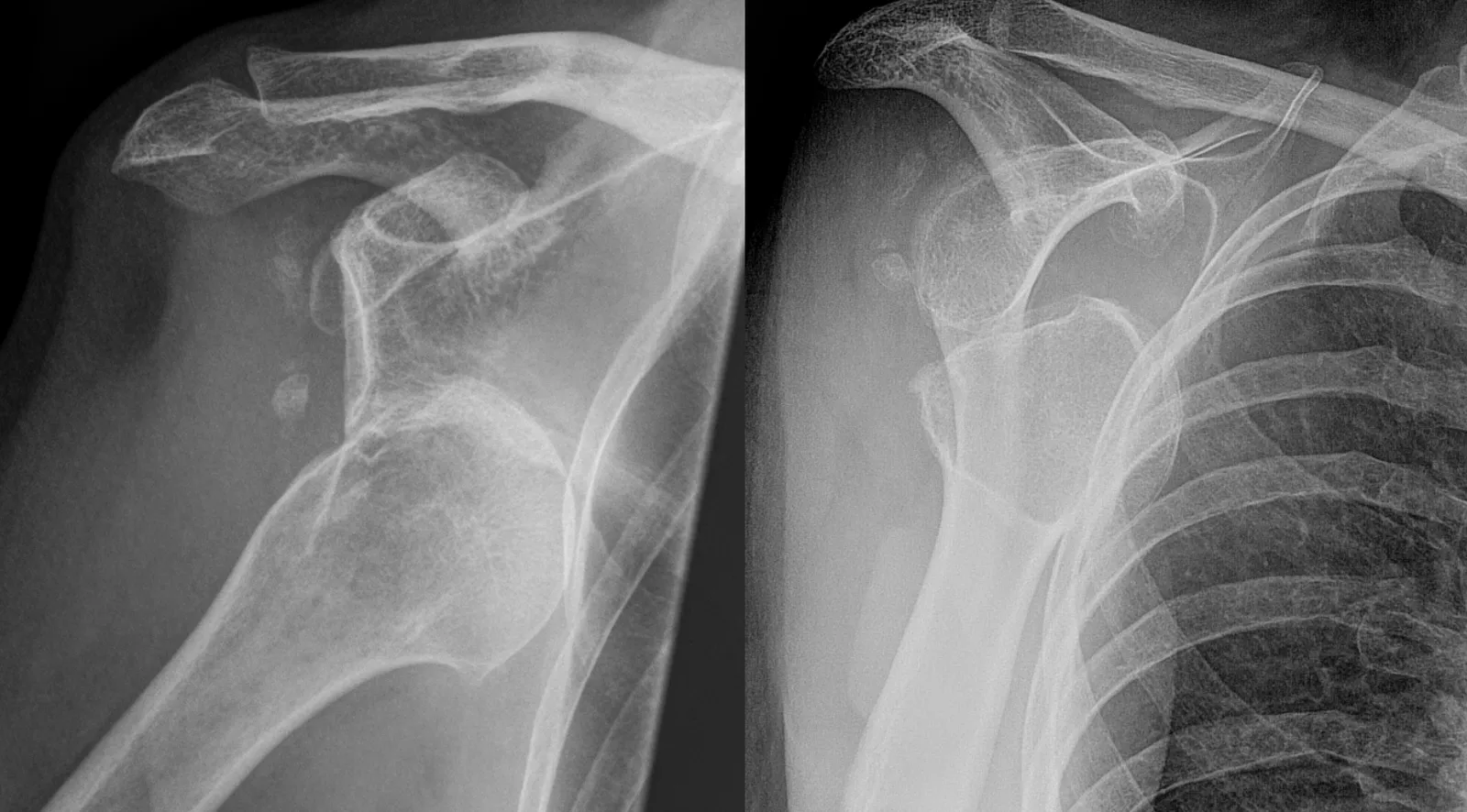 Shoulder DislocationA shoulder dislocation is displacement of the humeral head from the socket, usually anterior and traumatic. First-time dislocations may be treated conservatively; recurrent instability in young athletes is treated with arthroscopic Bankart repair or Latarjet for bone loss.
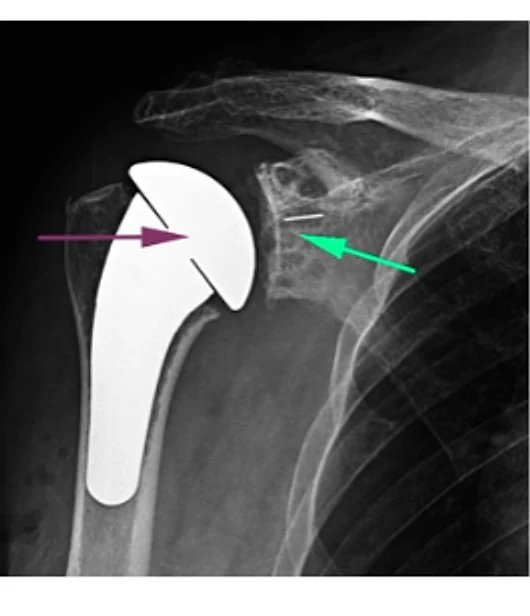 Shoulder ReplacementShoulder replacement (arthroplasty) replaces a worn or damaged shoulder joint with an artificial implant. Anatomic total shoulder replacement is used when the rotator cuff is intact; reverse shoulder replacement is preferred for irreparable cuff tears or complex fractures. Surgery takes 1.5–2 hours and daily function returns within 3–6 months.
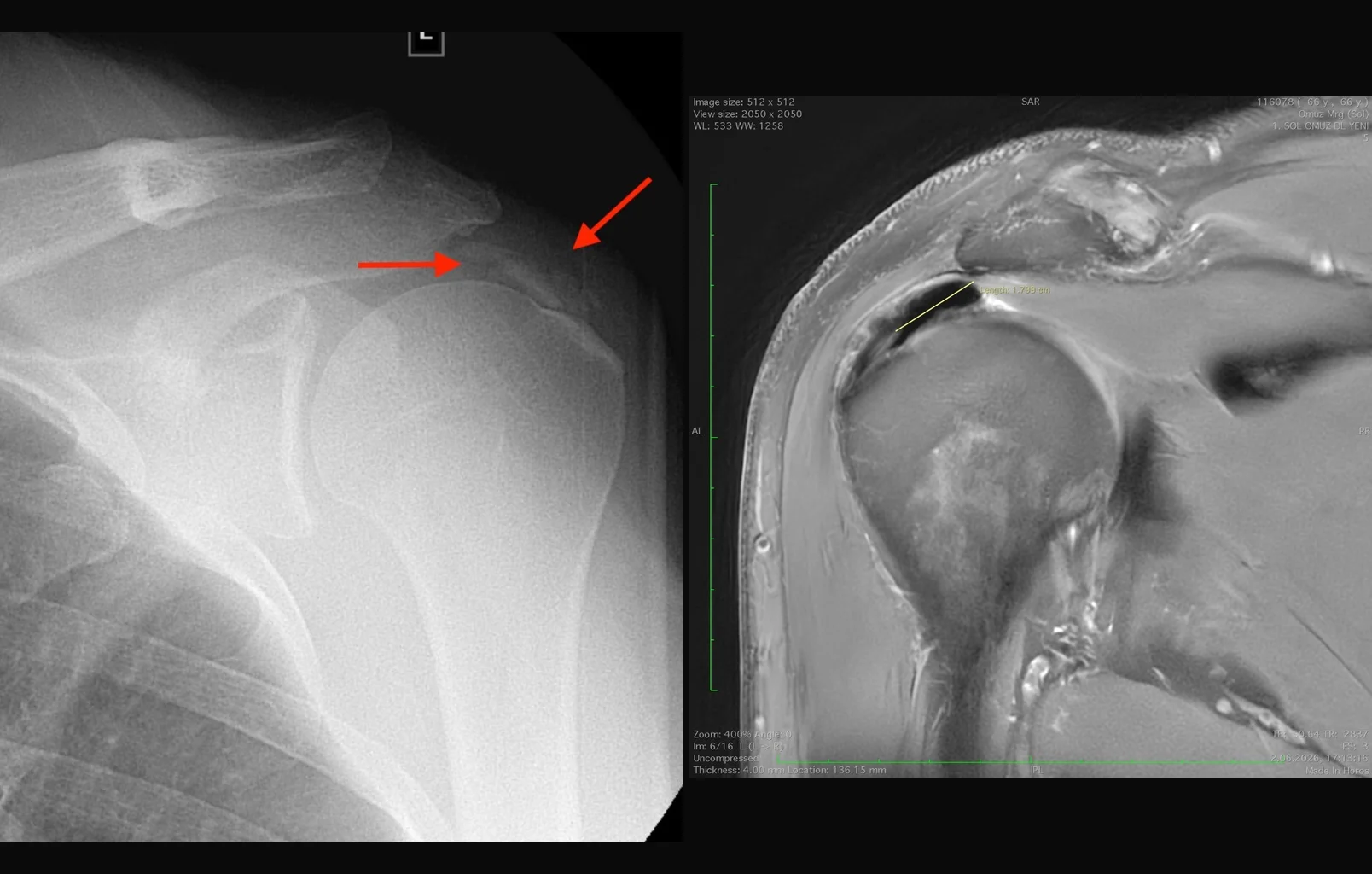 Treatment of Calcific Tendinitis of the Shoulder: A Permanent Solution with the Barbotage MethodCalcific tendinitis is a calcium deposit in the rotator cuff tendons; it can cause sudden and severe shoulder pain. The barbotage method is a non-surgical procedure that offers a permanent solution by washing out and absorbing the calcium deposit using a needle under ultrasound guidance.
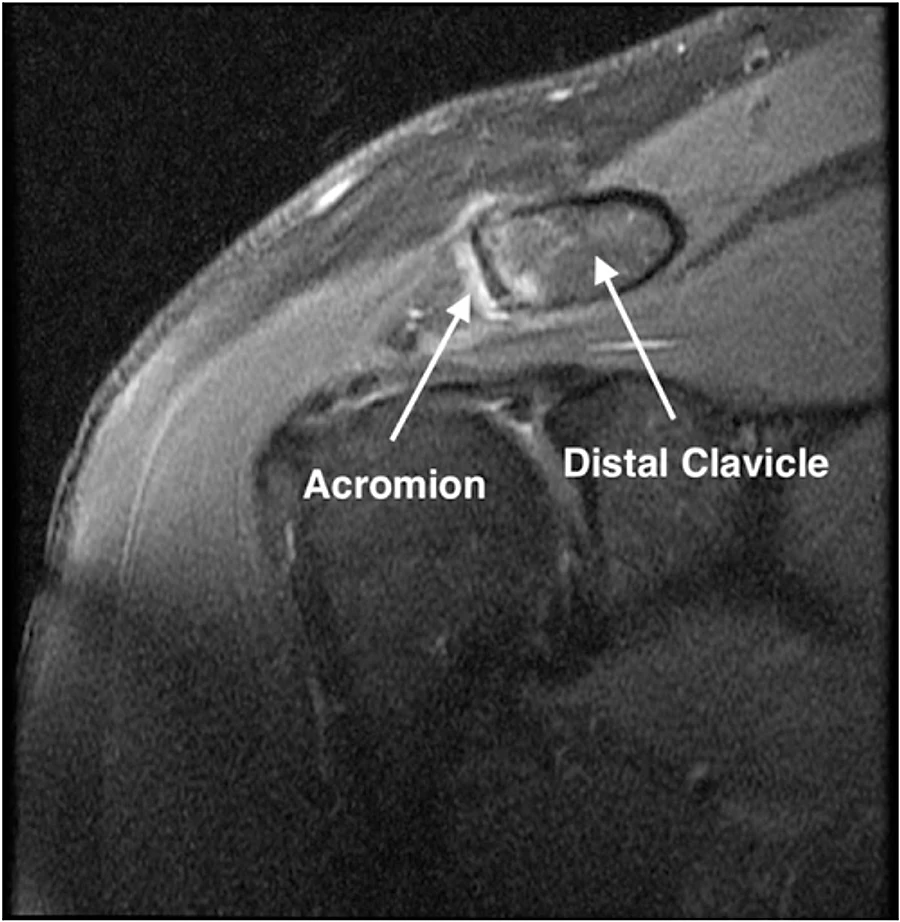 What is Acromioclavicular Joint Degeneration (AC Joint Osteoarthritis)?AC joint degeneration (arthrosis) is the wear and tear of the small joint at the top of the shoulder; it causes localized pain at the top of the shoulder and pain when reaching the arm across the body (cross-body). In cases unresponsive to conservative treatment, arthroscopic joint resection (Mumford procedure) is applied.