
On this page· 4 sections
Frozen shoulder (adhesive capsulitis) is a condition that occurs when the fibrous capsule surrounding the shoulder joint becomes inflamed, thickens, and restricts movement by enveloping the joint. A characteristic finding of the disease is a decrease in both active and passive shoulder movements in all directions.
Causes and Who is Affected?
The exact cause of the disease is not fully known, but an inflammatory process starting in the capsule leads to the formation of scar tissue. Risk factors include:
- Ages 40-60, female gender
- Diabetes (incidence is significantly higher in diabetics)
- Thyroid diseases (hypo/hyperthyroidism)
- Prolonged immobilization of the shoulder (fracture, post-surgery)
- Neurological conditions such as heart disease and Parkinson’s
Stages
- Freezing stage (6-12 weeks): Gradually increasing shoulder pain, especially at night, and the onset of loss of motion.
- Frozen stage: Pain may decrease, but shoulder movements are significantly restricted in all directions; daily activities (dressing, reaching behind) become difficult.
- Thawing stage: Gradual regaining of range of motion over months.
Diagnosis
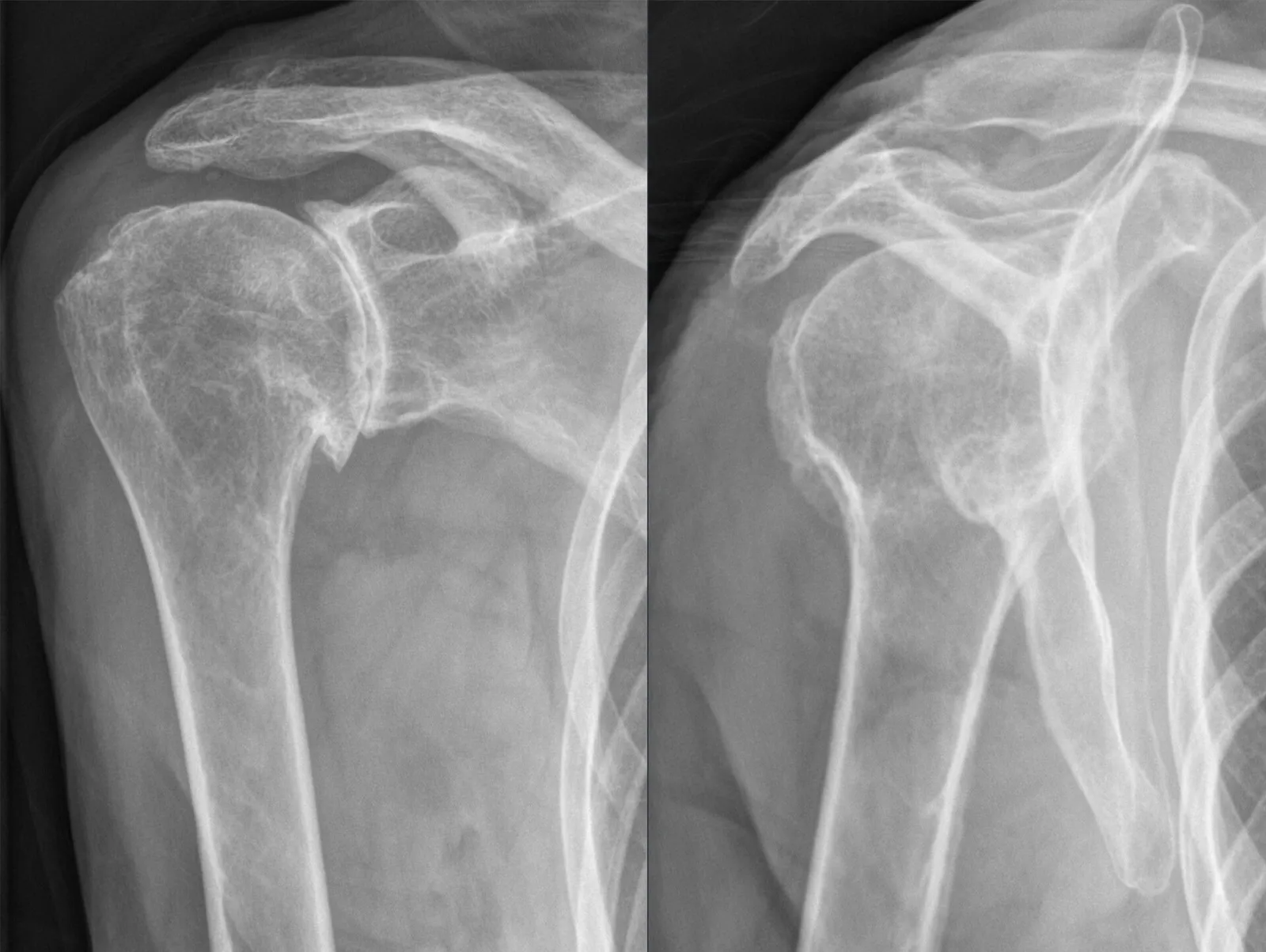
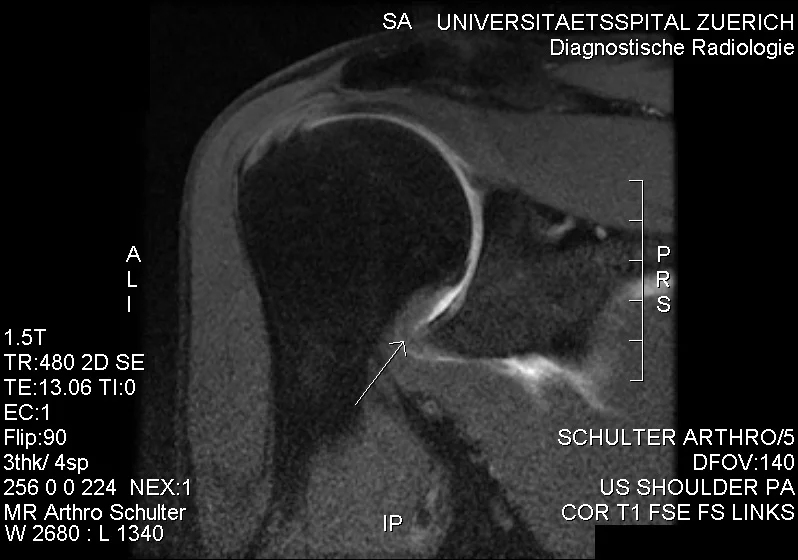
Diagnosis is largely made by clinical examination: restricted active and passive movements in both directions are typical. X-rays may be requested to rule out other conditions (osteoarthritis, non-arthritic calcifications); MRI may be requested to identify accompanying pathologies such as rotator cuff tears.
Treatment
Non-Surgical Treatment (first-line)
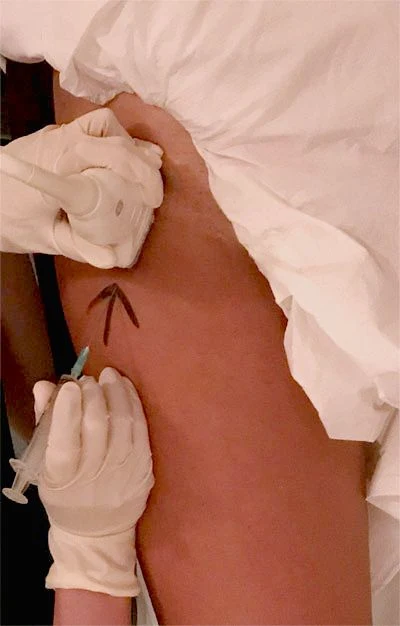
- Intra-articular corticosteroid injections: Rapidly reduce pain in the freezing stage.
- Physical therapy and stretching exercises: The primary method for regaining capsule elasticity.
- Pain relievers and anti-inflammatory medications.
- Hot compresses and home exercise program.
Surgical Treatment (for refractory cases)
In patients who do not improve despite prolonged regular treatment:
- Manipulation under anesthesia: Controlled loosening of the capsule.
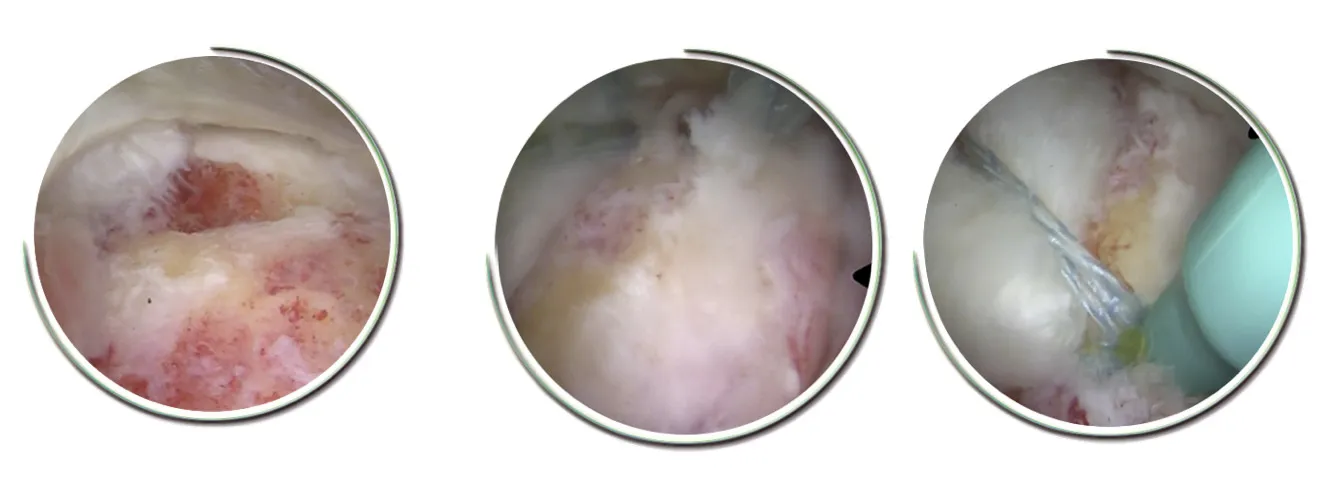
- Arthroscopic capsular release: Cutting of the thickened capsule to restore range of motion; more controlled and durable than manipulation.
Regular physical therapy initiated in the early stages leads to complete or near-complete recovery in most patients without the need for surgery.