
On this page· 3 sections
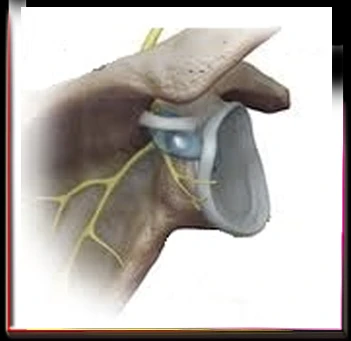
Nerves around the shoulder (especially the suprascapular nerve and axillary nerve) can become compressed or injured due to ganglion cysts, capsular thickening, or trauma as they pass through narrow anatomical canals. This results in shoulder pain and weakness/atrophy of the shoulder muscles.
Most Common Entrapments
Suprascapular Nerve Entrapment
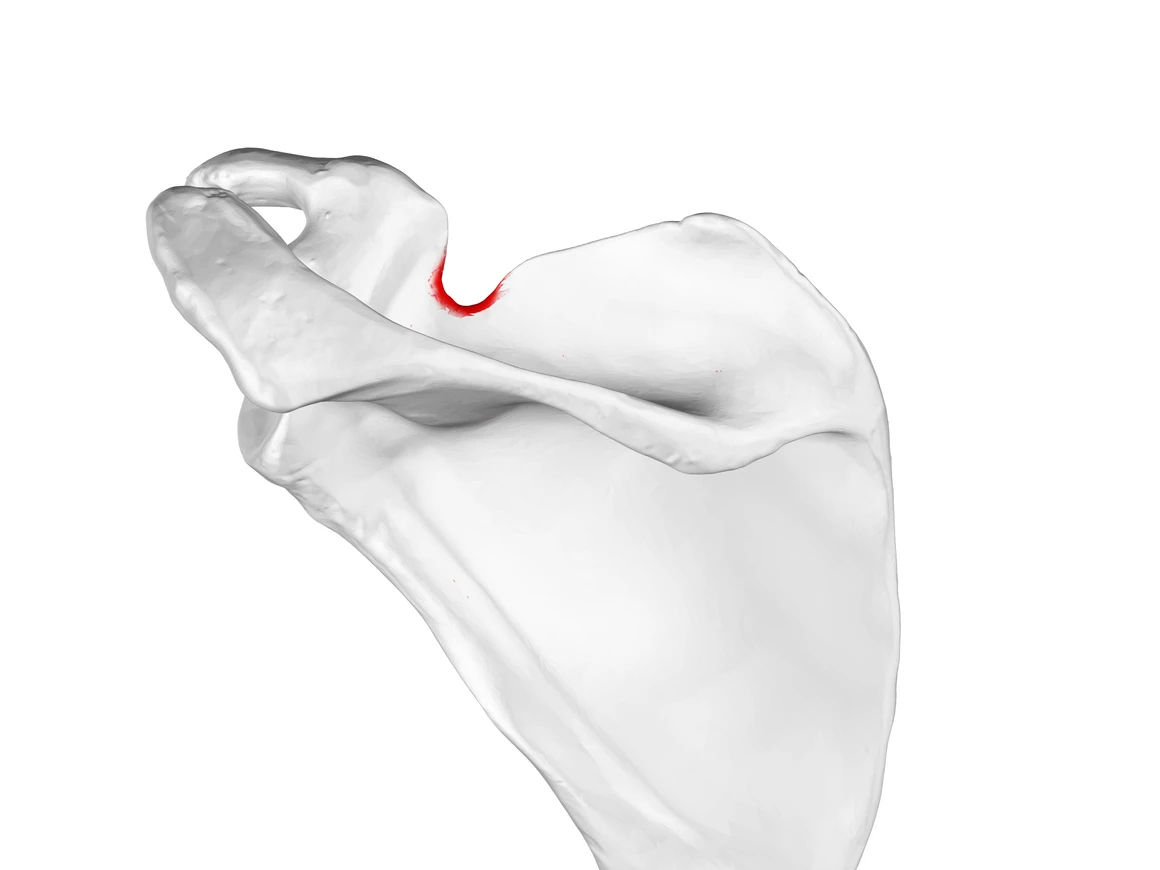
The suprascapular nerve passes through the notch above the shoulder blade (suprascapular notch) and supplies the supraspinatus and infraspinatus muscles, which are responsible for external rotation of the shoulder. In case of compression, deep pain in the posterior shoulder and significant atrophy of the shoulder muscles are observed.
Axillary Nerve Injuries
The axillary nerve is frequently affected in shoulder dislocations and fractures of the humeral neck. It presents with weakness in lifting the arm sideways and numbness on the outer surface of the shoulder.
Ganglion Cysts
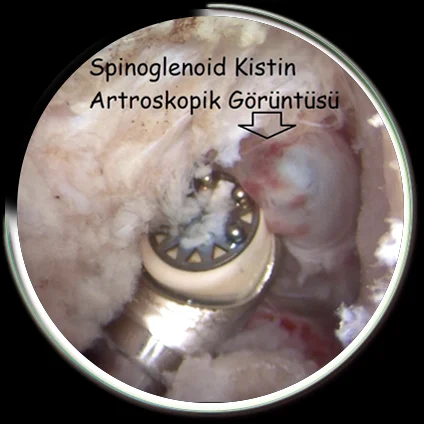
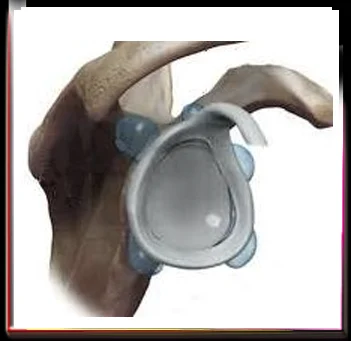
Ganglion cysts, formed by the accumulation of joint fluid leaking from labral tears around the capsule, are the most common mass lesions that can press on the suprascapular nerve.
Diagnosis
- Physical examination: muscle atrophy, strength testing, and sensory evaluation
- EMG: objective assessment of nerve conduction — the gold standard for diagnosis
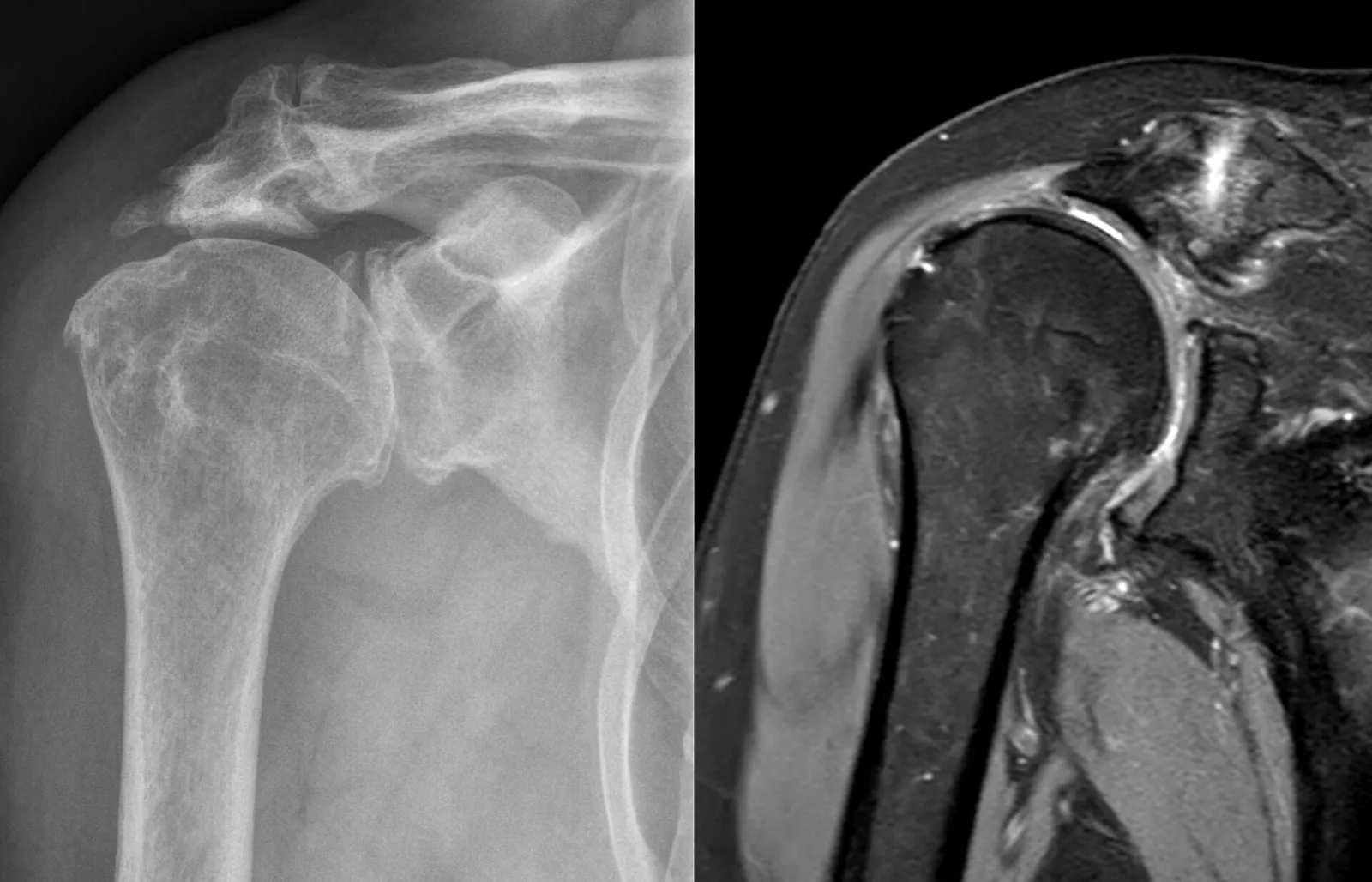
- MRI: imaging of ganglion cysts, labral tears, and muscle fatty degeneration
Treatment
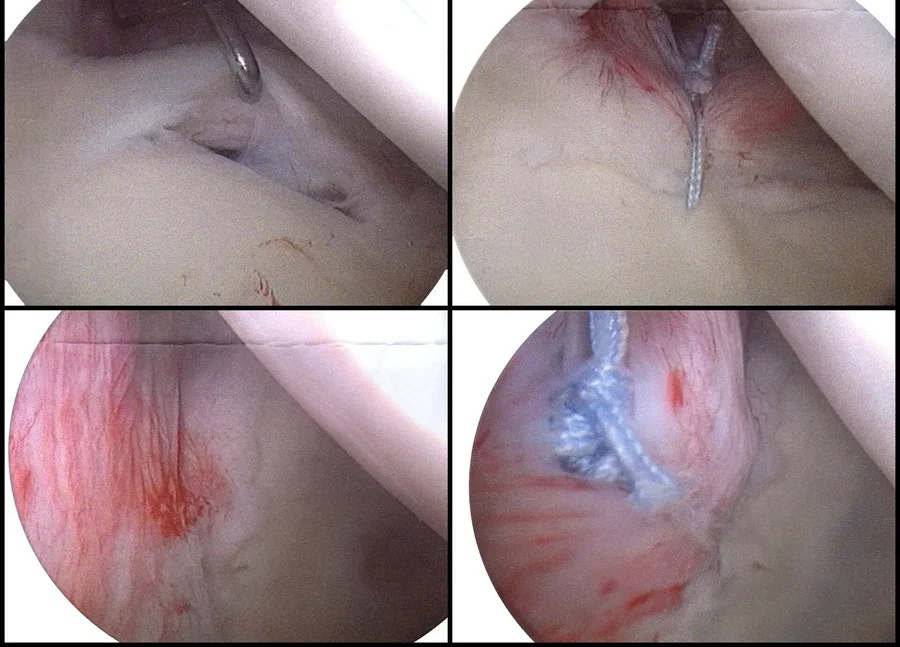
In mild cases without cyst compression, rest and physical therapy are attempted. In the presence of a ganglion cyst or progressive muscle atrophy, arthroscopic cyst decompression + nerve release or open decompression is performed. Early release is crucial for the return of nerve function and halting muscle atrophy.