
On this page· 3 sections
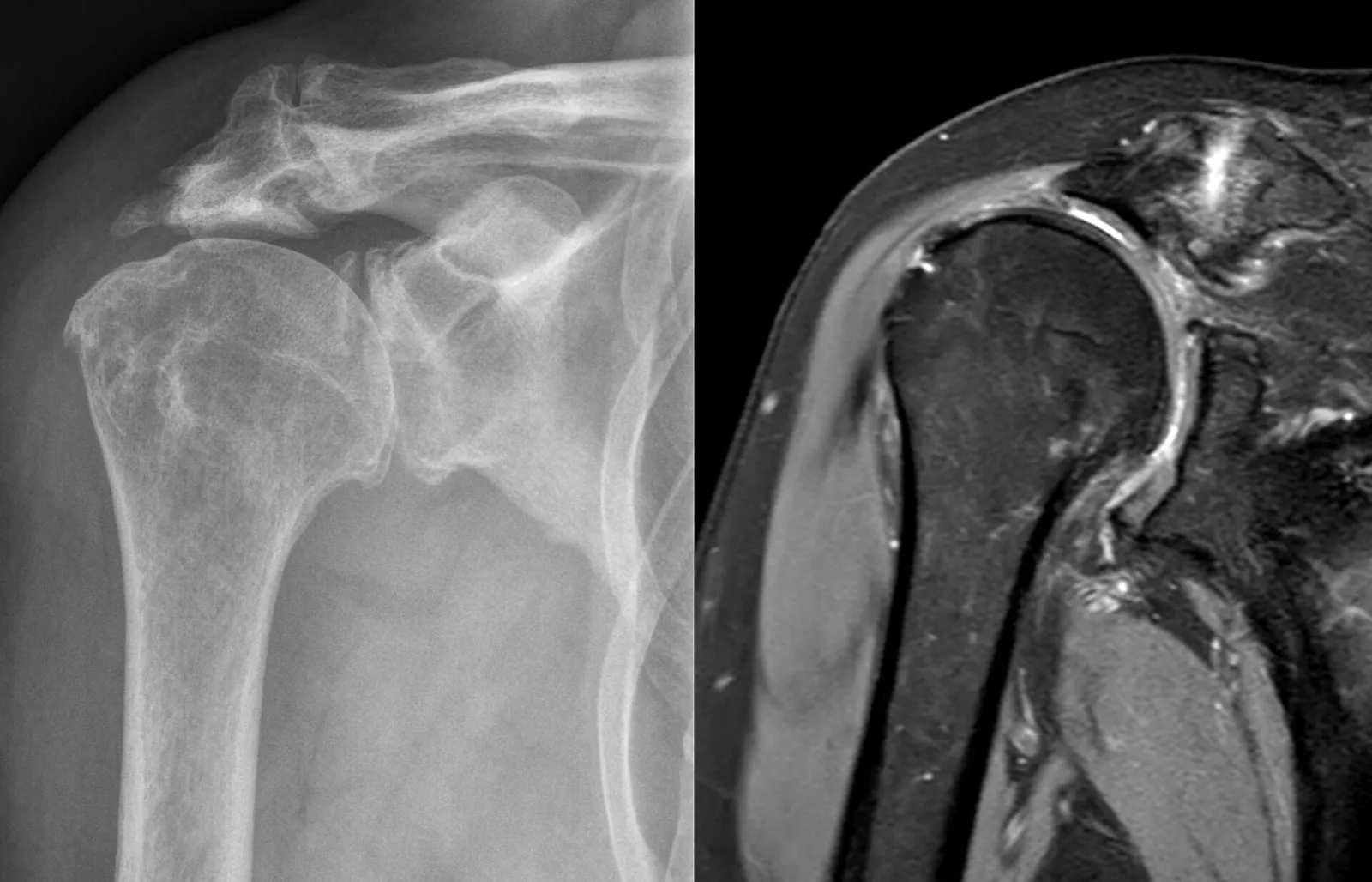
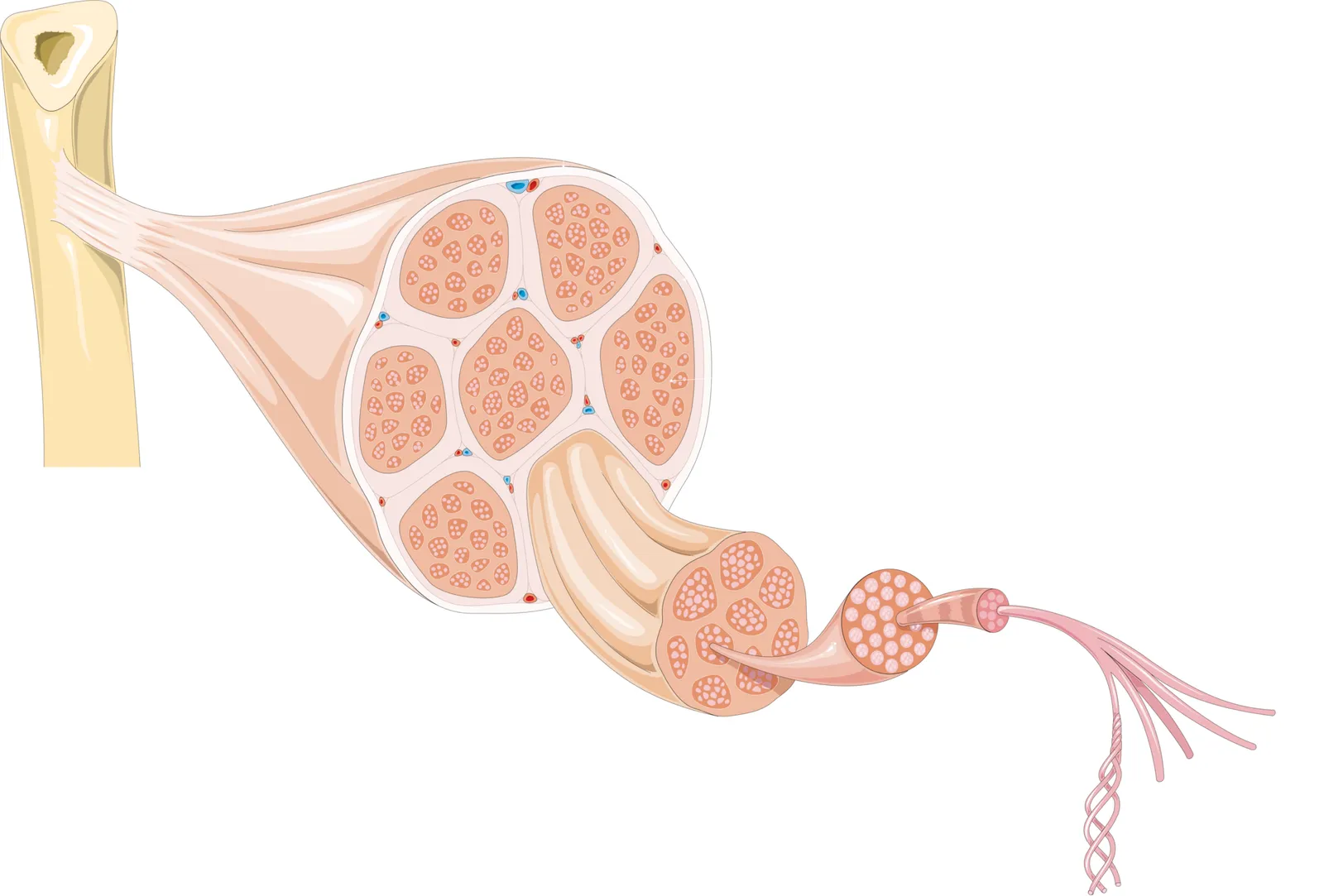
The long head tendon of the biceps muscle passes through the shoulder joint and attaches to the superior labrum (glenoid upper edge). This long and narrow path often makes the tendon one of the common causes of shoulder pain.
Types of Biceps Tendon Problems
- Tendinitis / tendinopathy: Inflammation and degeneration of the tendon due to repetitive loading; manifests as pain in the front of the shoulder
- Tendon instability: Slipping of the tendon within the bicipital groove; often seen in conjunction with a subscapularis cuff tear
- SLAP lesion: Superior labrum tear involving the tendon root
- Tendon rupture: Sudden tear on a background of chronic degeneration; leads to a “Popeye” deformity

Symptoms
- Pain in the front of the shoulder, radiating to the arm
- Increased pain when lifting, rotating, and carrying weight with the arm
- Tenderness upon pressing over the tendon groove
- In rupture, sudden pain, bruising, and muscle bunching in the front of the arm (Popeye deformity)
Treatment
Conservative
Rest, ice, anti-inflammatory medications, and strengthening of muscles around the tendon are the first steps. Intra-articular or peritendinous sheath injections can be used for resistant pain.
Surgical
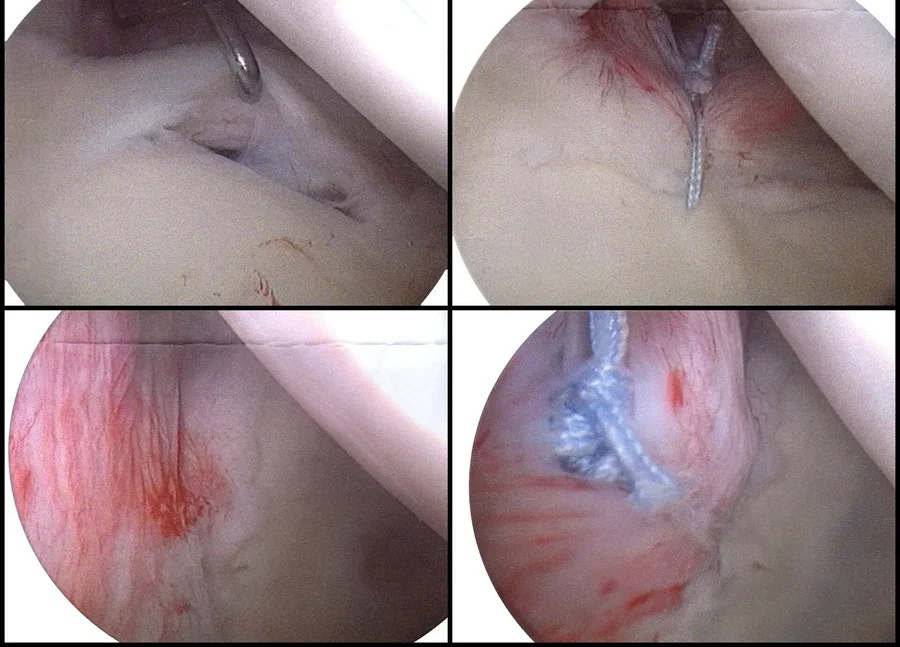
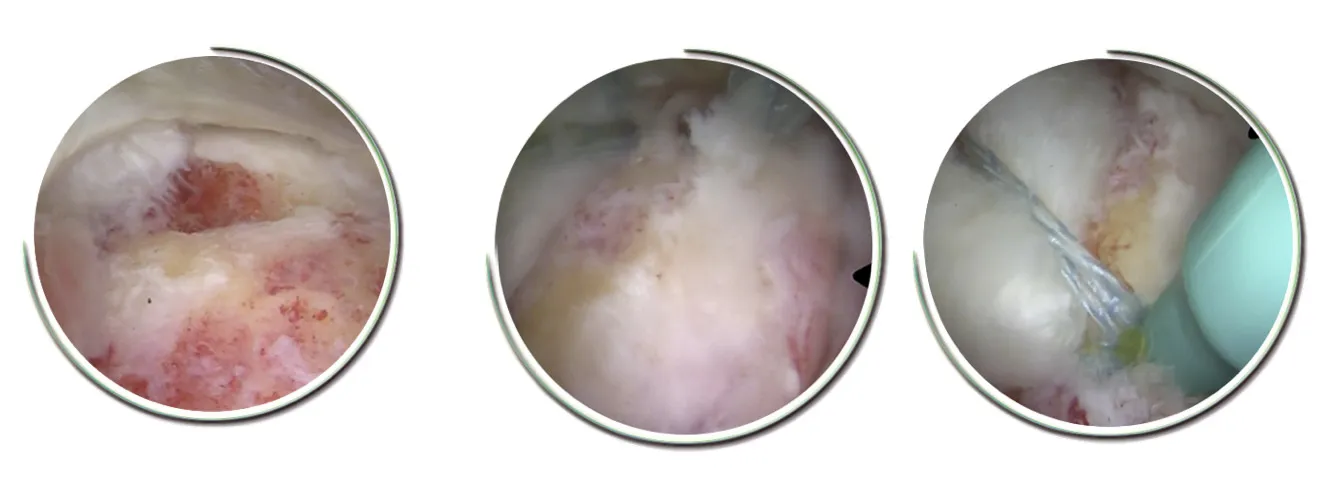
In cases unresponsive to conservative treatment, or in situations of instability or rupture, an arthroscopic procedure is applied:
- Tenotomy: Releasing the tendon from its origin — quickly relieves pain, preferred for low-activity patients
- Tenodesis: Reattaching the tendon to the humerus bone — preserves muscle function in active and young patients
- Concomitant cuff or SLAP pathology is treated in the same session
After surgery, short-term protection with an arm sling followed by physical therapy typically restores full function within 2-3 months.
Frequently Asked Questions
What are the symptoms of a biceps tendon problem?
Pain in the front of the shoulder, radiating down the front of the arm; it increases particularly when lifting, rotating the arm, and carrying weight.
What happens if the biceps tendon ruptures?
In an acute rupture, a noticeable bulge, known as the 'Popeye' deformity, appears due to the arm muscle bunching downwards. Ruptures developing on a background of chronic tendinitis can paradoxically reduce pain.
What is biceps tenodesis?
It is the procedure of detaching the damaged or unstable tendon from its origin within the shoulder joint and reattaching it to the humerus bone; it relieves pain and preserves muscle function.
Is a biceps problem related to a SLAP lesion?
Yes. The long head of the biceps tendon attaches to the superior labrum; tears extending to the tendon root are called SLAP lesions and are treated concurrently.