On this page· 3 sections
In athletes during their growth phase, repetitive spike and serve loading can lead to permanent shoulder issues. Protection is possible with proper training and early intervention.
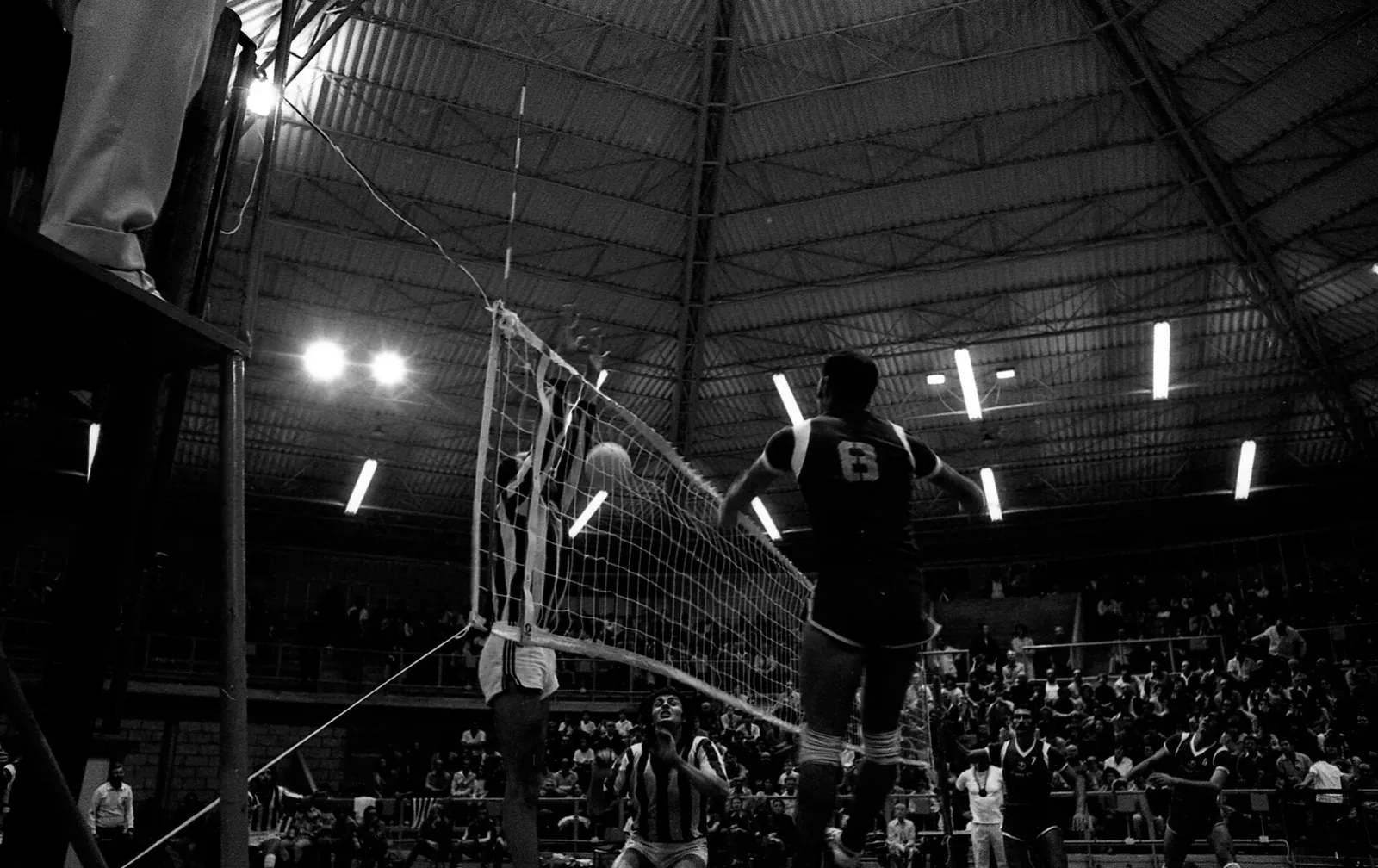
Because volleyball involves repetitive overhead movements such as spiking and serving, it places significant stress on the shoulder joint. In young athletes during their growth phase, the growth plates (epiphyses) have not yet closed, so excessive loading can lead to permanent problems.
Risk Factors in Young Athletes
- Open growth plates: The cartilage growth areas at the ends of bones are susceptible to repetitive stress
- Repetitive loading: High volume of spike/serve practice per week, insufficient rest periods
- Technical errors: Incorrect spike technique loads the shoulder in a weak position
- Muscle imbalance: Strong anterior muscles with weak posterior rotator cuff and scapular muscles
Common Problems
- Rotator cuff tendinopathy and impingement pain
- ‘Little League shoulder’ — proximal humerus growth plate stress reaction
- Scapular dyskinesia (scapular movement disorder)
- Rarely, labral lesions
Prevention Principles
- Age-appropriate loading: Training and match intensity should be planned according to the developmental stage; a ‘play through pain’ approach should not be applied to athletes in pain
- Rest: At least 1-2 days of shoulder rest per week; seasonal breaks
- Scapular and rotator cuff strengthening: Should be an integral part of the training program
- Technical education: Correct spike and serve technique corrects load distribution
- Early evaluation: Shoulder pain lasting more than 2 weeks must be examined
Shoulder pain in young athletes should not be dismissed as ‘training pain’ — early intervention prevents lesions that threaten the athlete’s career.

Frequently Asked Questions
Why is the shoulder under stress in young volleyball players?
Repetitive spike and serve movements lead to overuse of the rotator cuff; in young athletes with open growth plates, "thrower's shoulder" and growth plate stress reactions can develop.
What are the symptoms of thrower's shoulder?
Shoulder pain during or after serving, a decrease in serving speed, and restricted internal rotation of the shoulder are typical findings.
What should be done for prevention?
Monitoring the number of serves, regular strengthening of the rotator cuff and scapula, adequate rest, and reviewing serving technique are the fundamental steps for prevention.
When should a doctor be consulted?
If pain lasts longer than 1-2 weeks, there is a decline in performance, or night pain occurs, an orthopedic evaluation is required; early diagnosis prevents minor issues from turning into serious injuries.
Why is shoulder pain important during the growth phase?
Shoulder pain during adolescence may be a growth plate stress reaction; continuing to load the joint can lead to permanent separation of the plate and long-term shoulder problems.