
On this page· 3 sections
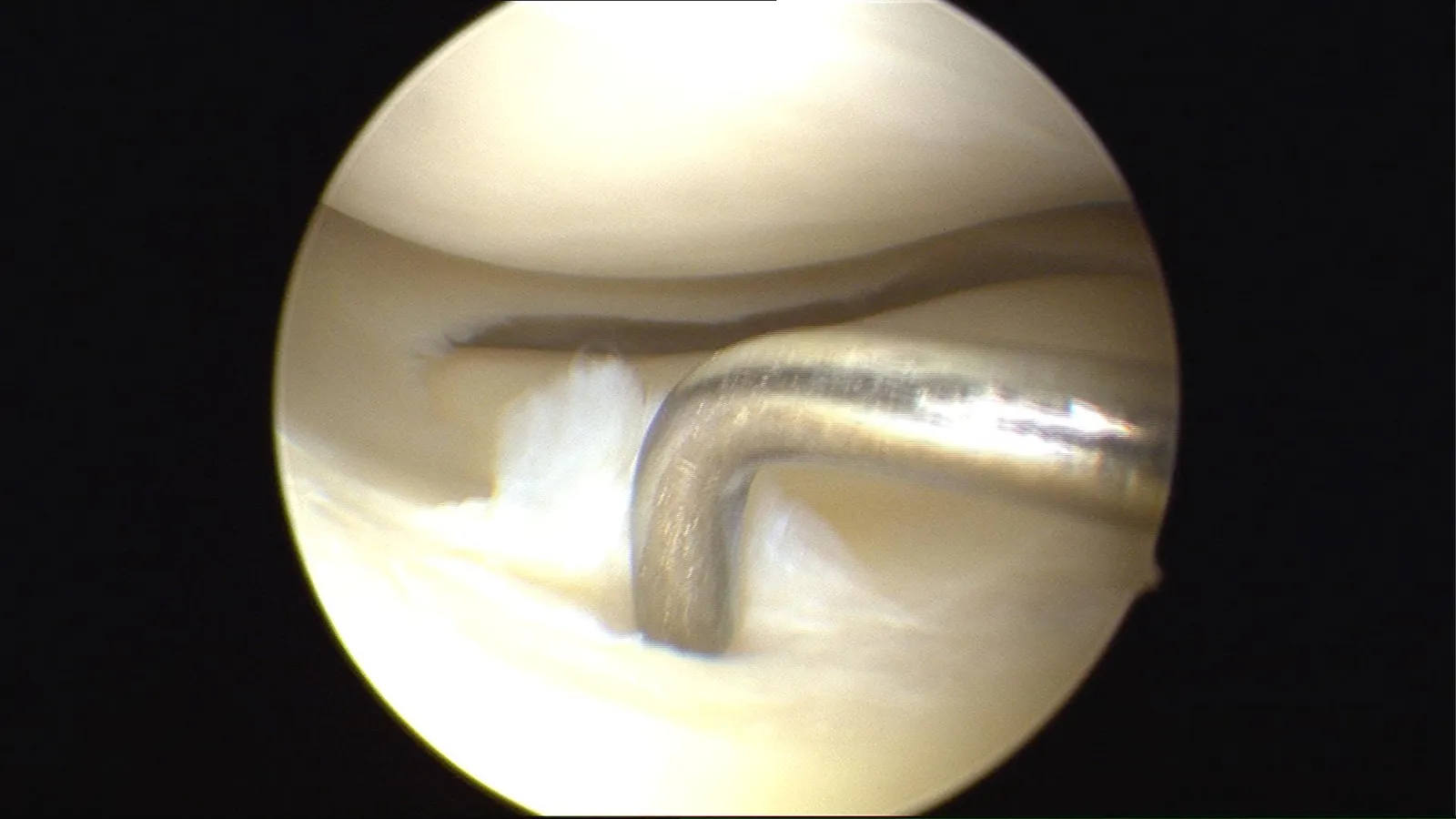
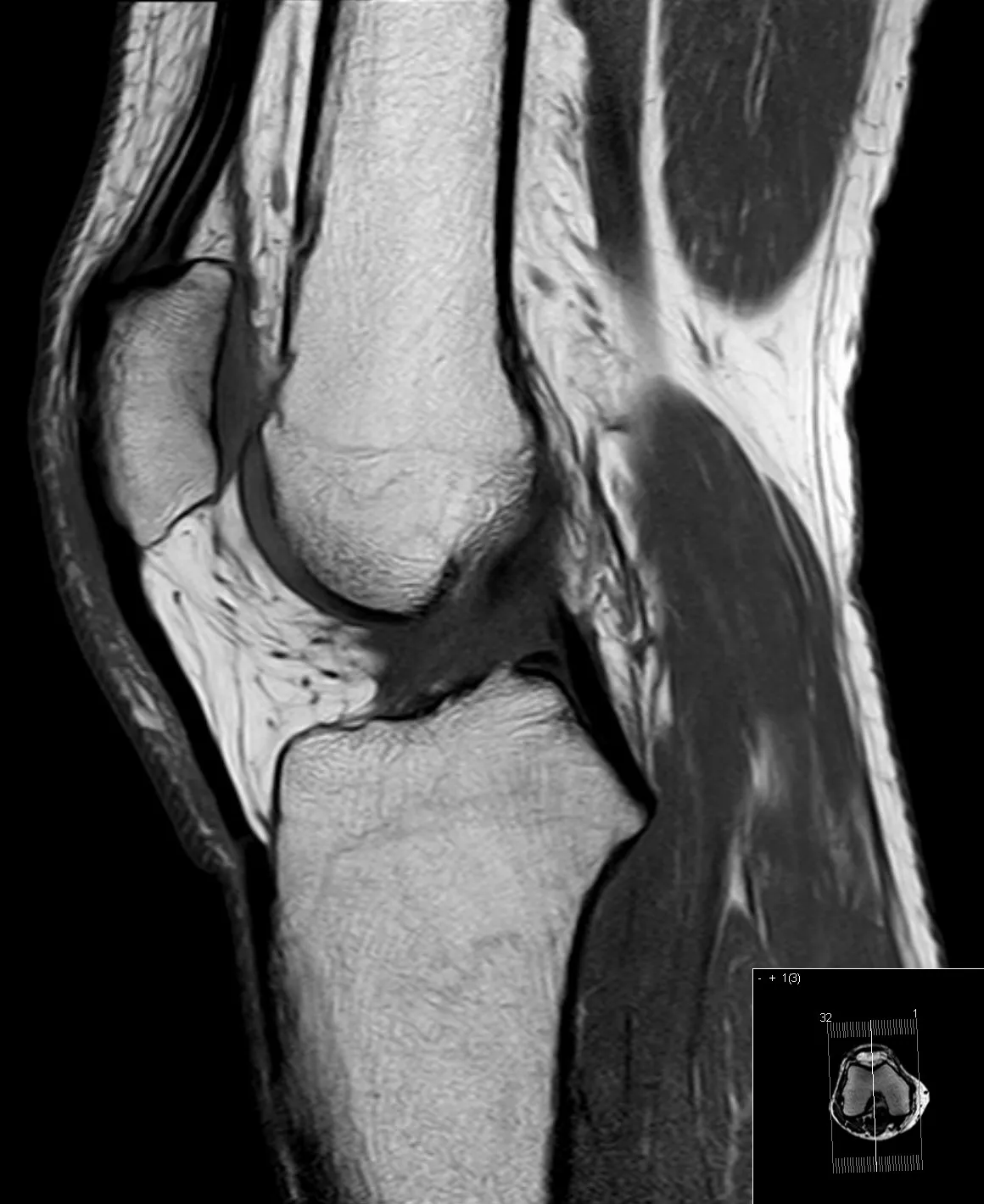
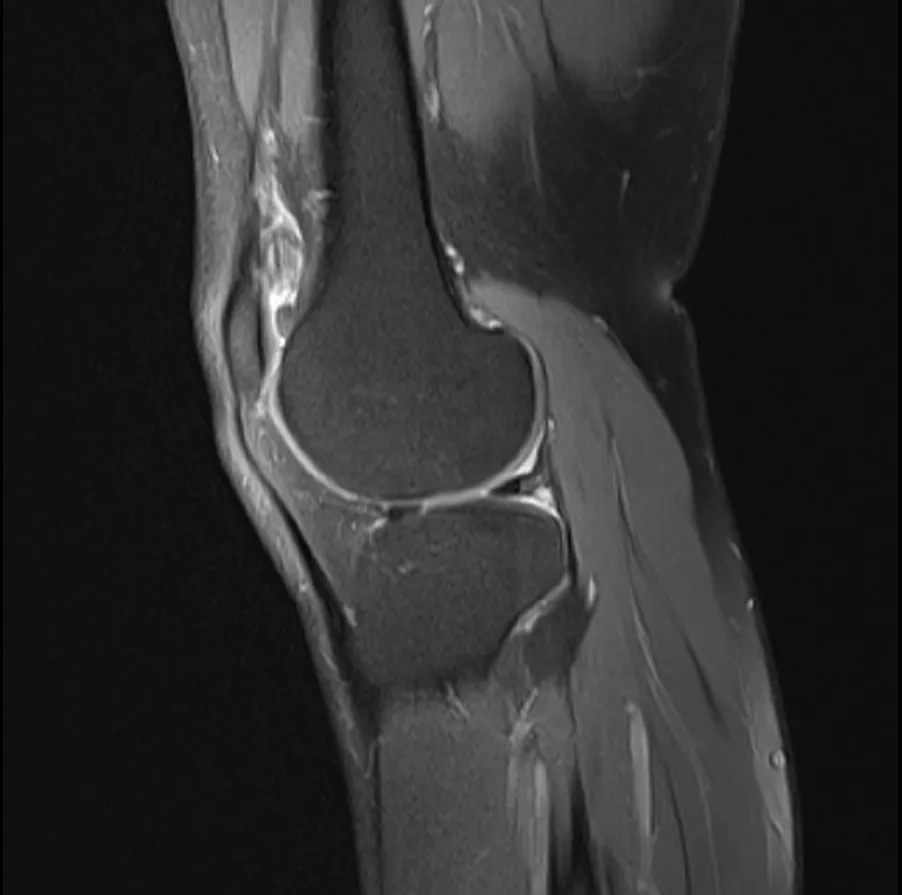
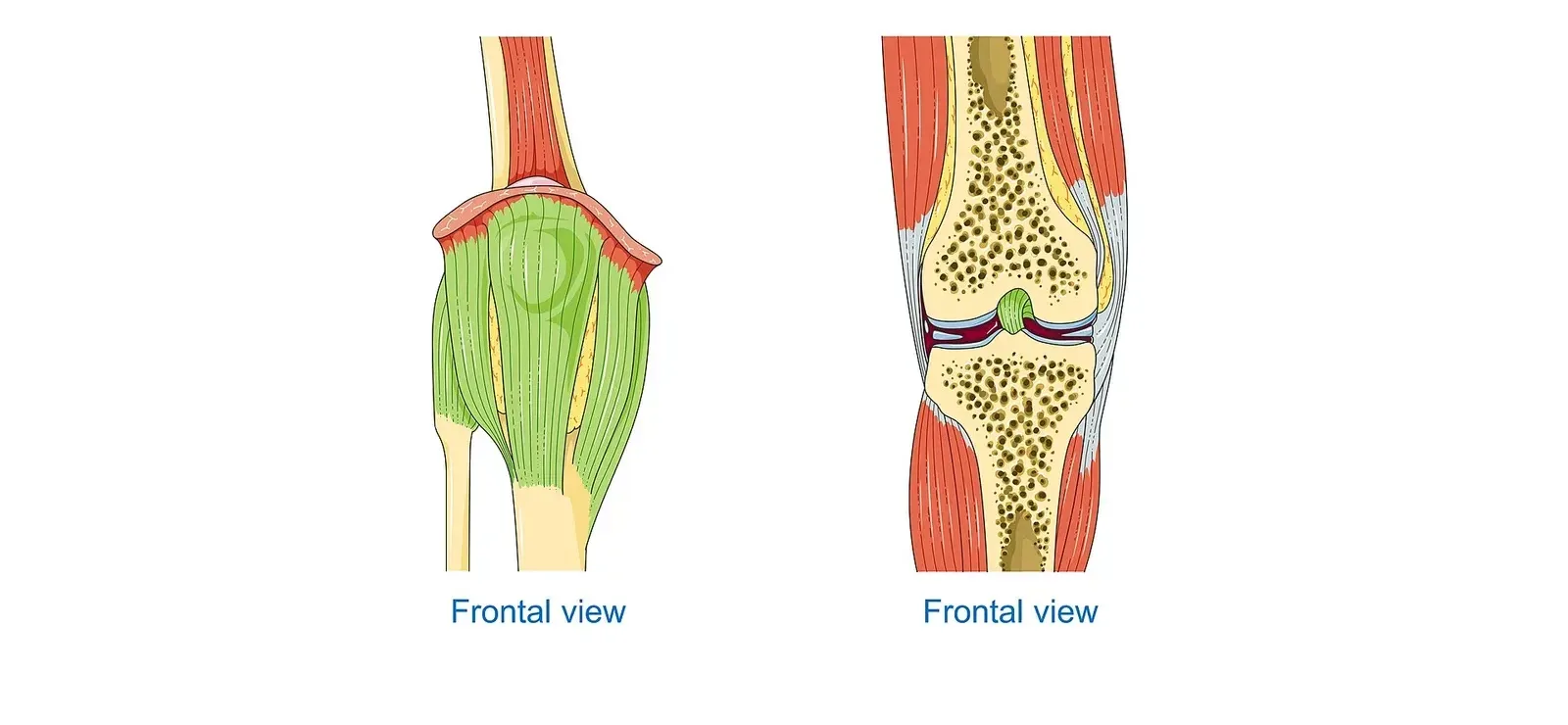
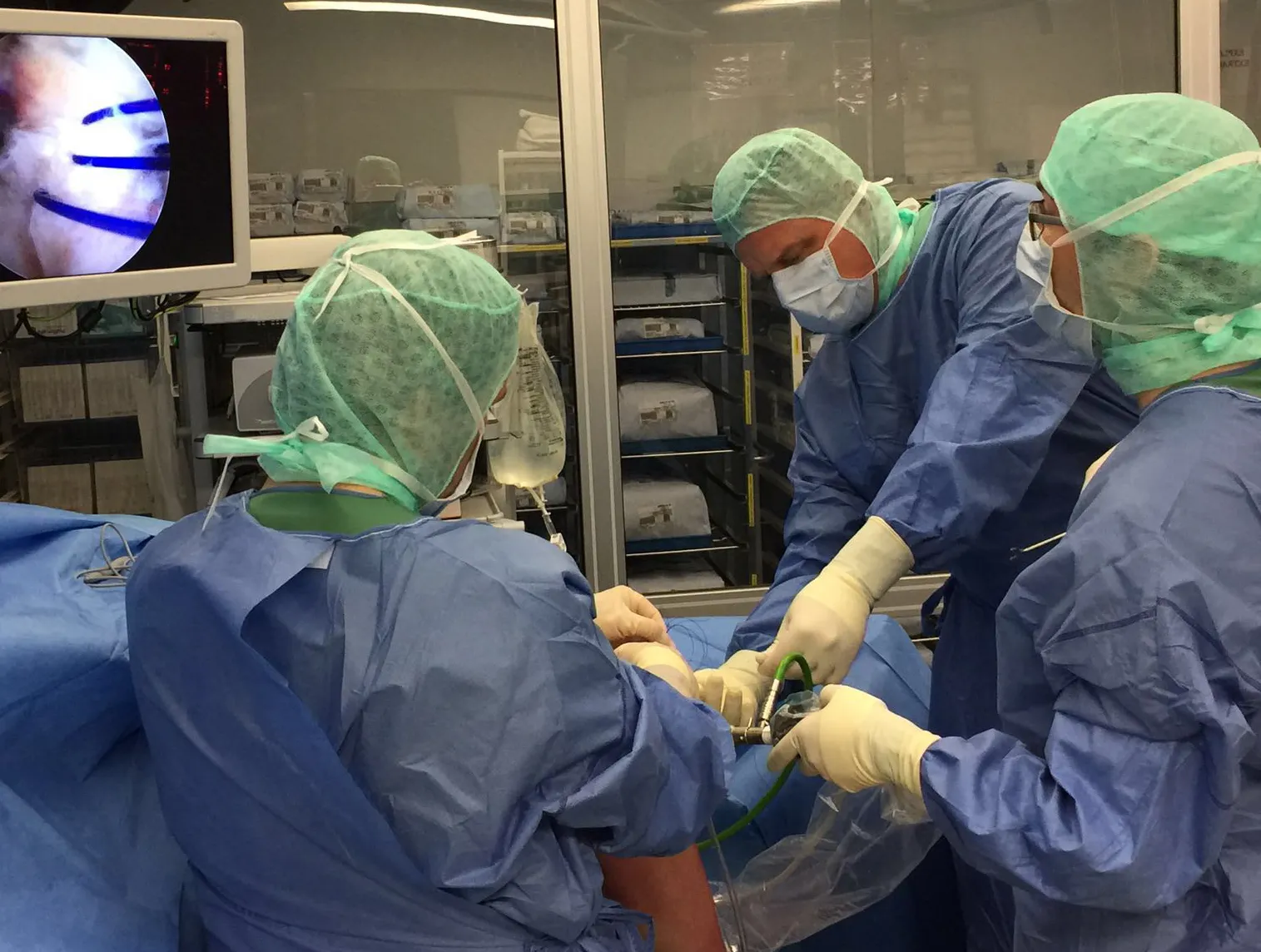
Knee arthroscopy is a surgical technique in which the interior of the joint is visualized with a camera, allowing diagnosis and treatment to be performed simultaneously using a closed method. The knee is the joint where arthroscopy is most frequently applied.
Applications
- Meniscus surgery: meniscus repair and partial meniscectomy
- Ligament reconstruction: anterior and posterior cruciate ligament repair
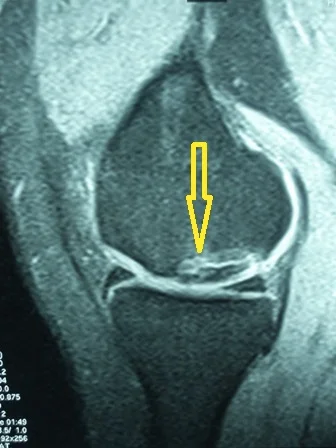
- Cartilage procedures: debridement, microfracture, osteochondral grafting
- Synovial diseases: synovectomy, intra‑articular cleaning
- Loose body removal and lavage in joint infection
- Soft tissue balancing procedures for knee cap instability
Advantages
Because it is performed through 5 mm port incisions, muscle and skin tissue are preserved in a minimally invasive manner; postoperative pain is reduced, infection risk is lower, and return to daily activities is faster. The magnified intra‑articular view allows visualization of details that would not be discernible in open surgery.
Procedure
The surgery is usually performed under spinal or general anesthesia. For simple procedures, the patient is discharged walking on the same day. Recovery time depends on the procedure performed: after meniscectomy, return to daily activities takes 2–4 weeks; after cruciate ligament reconstruction, return to sport takes 6–9 months. The postoperative physical therapy program is the most important determinant of outcome.