Who is eligible for knee prosthesis surgery, how long does it take, what is the recovery process? All details about robotic surgery advantages, infection risks, and postoperative care.
Knee pain is one of the most common complaints in orthopedic clinics. The cause of this pain can range from a simple strain to advanced joint degeneration (osteoarthritis). Since each individual’s pain level, duration of complaint, and underlying cause differ, treatment must be planned individually.
Knee Osteoarthritis (Arthrosis) and Advanced Stage Issues
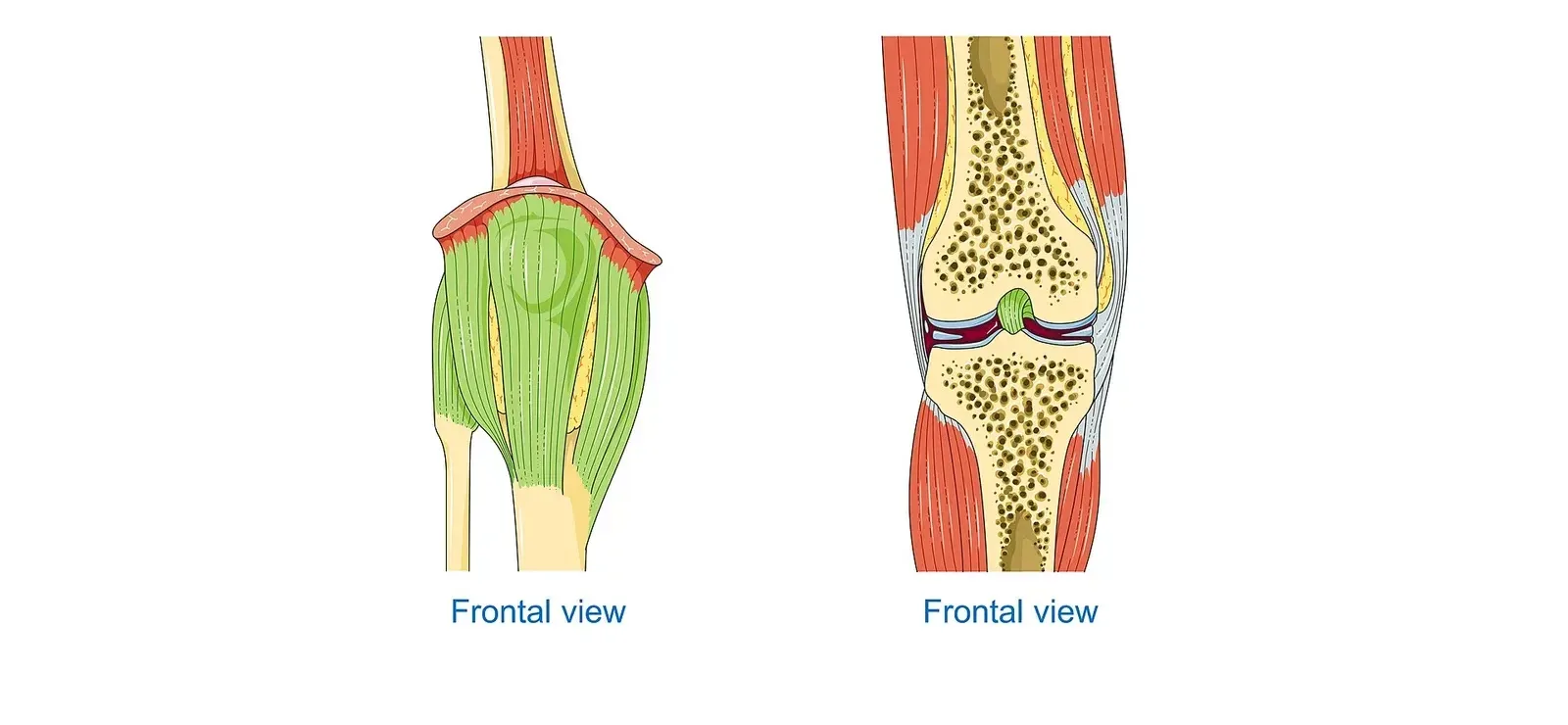
Wear and cartilage loss that develop over time in the knee joint are called osteoarthritis. As this condition progresses; pain, limited motion, difficulty climbing stairs, and a noticeable decline in daily activities appear. In patients who do not benefit from medication, physical therapy, and injections, surgical treatment becomes an option.
What is Knee Replacement Surgery?
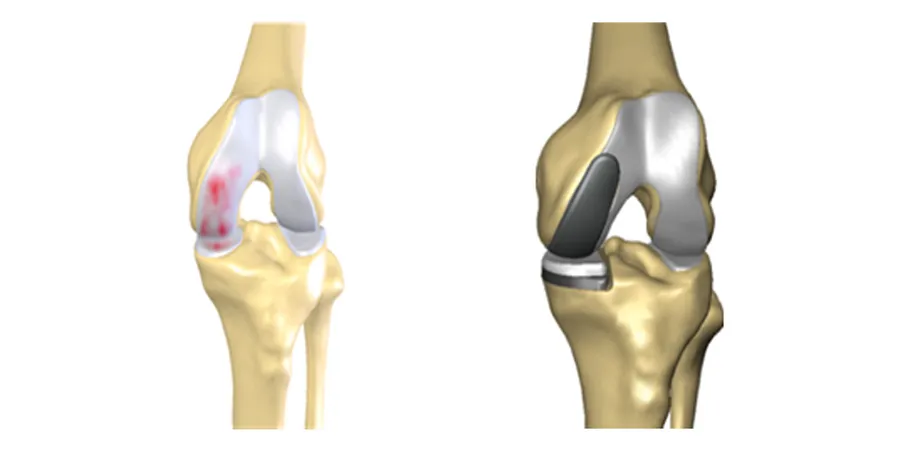
Knee replacement surgery is the procedure of cleaning the damaged surfaces in the knee joint and placing special metal and plastic alloy components in their place. This reconstructs the joint and yields a pain‑free, functional knee.
The surface placed on the distal end of the femur (thigh bone) is made of cobalt‑chromium alloy.
On the proximal part of the tibia (shin bone), a titanium alloy surface is placed.
Between these two surfaces, there is a polyethylene (plastic) intermediate surface that provides smoothness.
When necessary, a plastic coating is also applied to the patella (kneecap) surface.
Treatment Is Planned Individually
The type and size of the prosthesis are determined according to the patient’s knee anatomy, the degree of osteoarthritis, and any existing curvature in the leg. These assessments are shaped by pre‑operative examinations as well as intra‑operative findings.
A Safe and Effective Method with Modern Approaches
Thanks to modern surgical techniques and technological advances developed over the past 20 years, knee replacement surgeries have become much more successful and safe. Knee replacement procedures performed with appropriate patient selection and an experienced team greatly reduce pain, increase mobility, and markedly improve the patient’s quality of life.
Share
Frequently Asked Questions
In which situations is knee prosthesis surgery performed?
Knee prosthesis surgery is performed when there is cartilage loss in the knee joint causing severe pain and limited motion. The most common causes are advanced osteoarthritis, rheumatoid arthritis, and post‑traumatic deformities. Surgery is considered when medication, physical therapy, and injections are ineffective.
What is the ideal age for knee prosthesis surgery?
It used to be recommended for patients over 65, but today it can also be performed on patients aged 45–50. Modern prostheses can last 20–25 years, expanding the age limit. The important factor is not age but pain severity and functional loss.
How long does knee prosthesis surgery take?
For a single knee, the average duration is 1–2 hours. Bilateral procedures may take longer. The time depends on the patient’s anatomy and the surgeon’s experience.
When can I walk after surgery?
Patients are usually mobilized with a physiotherapist the day after surgery. In some cases, same‑day mobilization is also possible.
How long is the recovery process?
The first 6 weeks are critical, and patients typically return to daily activities within 6–8 weeks. Full recovery may take up to 6 months.
What should be considered after surgery?
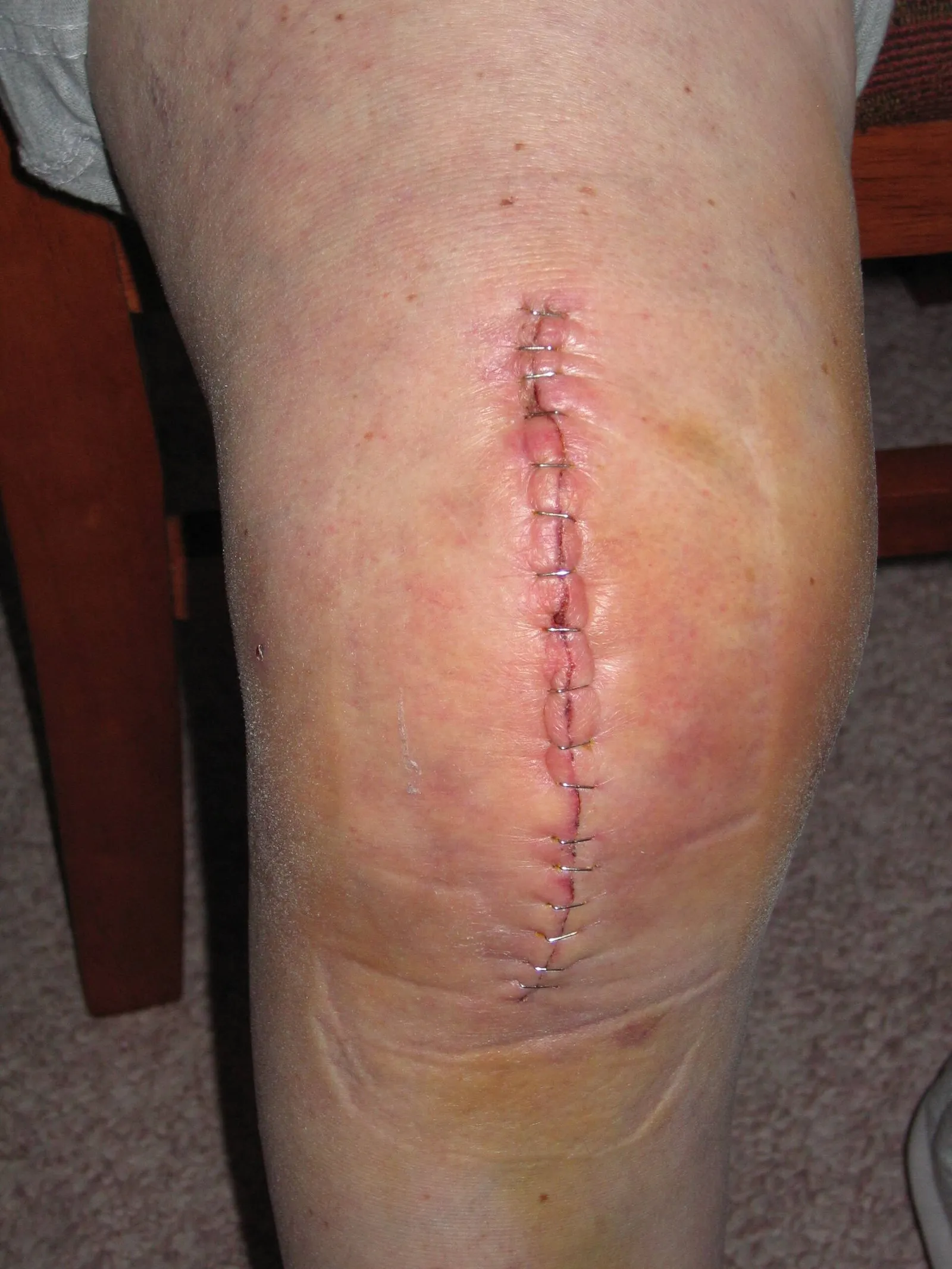
Wound care, infection prevention, adherence to physiotherapy, and regular use of anticoagulants are important. Smoking and alcohol can delay healing.
How many years does a knee prosthesis last?
Modern prostheses usually last 15–25 years. Longevity depends on the patient’s weight, activity level, and quality of postoperative care.
What are the risks of knee prosthesis surgery?
As with any surgery, knee replacement carries risks such as infection, blood clot formation, nerve or vessel injury, prosthesis loosening, and allergic reactions. Proper surgical technique and hygiene minimize these risks.
Should a single knee or both knees be operated on?
If both knees have serious problems and the patient is medically fit, bilateral knee prostheses can be performed in the same session. However, staged surgery is preferred for elderly or chronically ill patients.
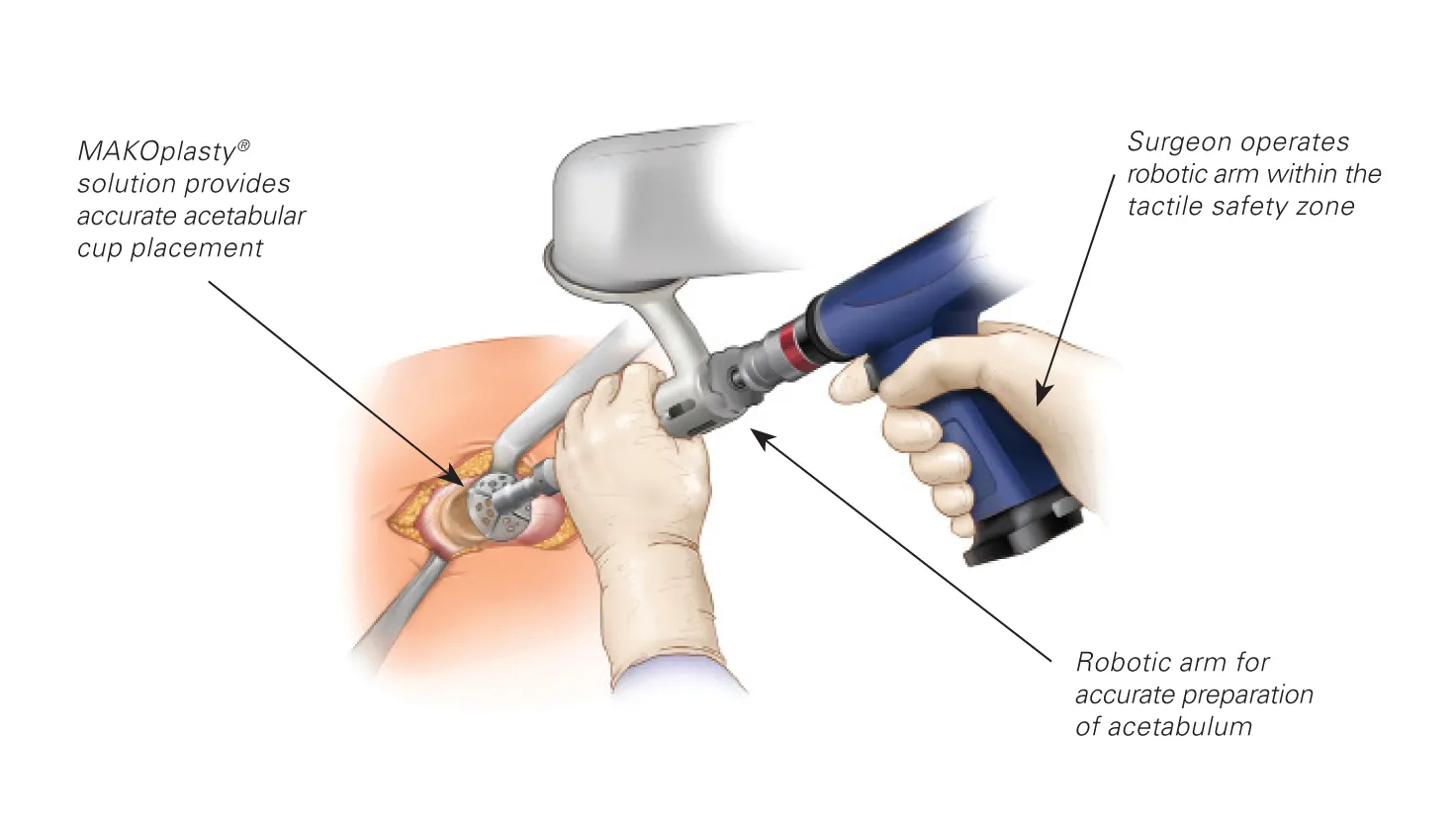
What is robotic knee prosthesis? What are its advantages?
Robotic surgery enables the knee prosthesis to be placed with millimetric precision. Advantages include less tissue damage, faster recovery, and longer‑lasting results.
When does physiotherapy start?
Passive exercises begin within the first 24–48 hours after surgery, and active physiotherapy starts from the first week onward. The schedule is tailored to the patient’s condition.
Is it possible to squat or climb stairs after surgery?
Climbing stairs is usually possible, while squatting can be more difficult and is not recommended for every patient. The patient’s condition and prosthesis type influence these movements.
How long do postoperative pains last?
Severe pain may be present for the first few days and is controlled with medication. Pain usually diminishes within 2–3 weeks; persistent pain requires surgical evaluation.
What is the time to return to work after surgery?
Office workers can return within 4–6 weeks. Jobs requiring physical activity may take 2–3 months.
Can sports be performed after knee prosthesis?
Low‑impact activities such as swimming, light walking, and yoga are suitable. High‑impact activities like running or basketball are not recommended.
What preparations are needed before surgery?
Blood tests, anesthesia assessment, and physical fitness evaluations are performed. The home environment should also be made safe (remove slippery rugs, prepare a walker).
How is infection risk prevented after knee prosthesis surgery?
Antibiotics should be taken as prescribed, dressings kept hygienic, and the wound kept clean. Seek medical attention if fever, redness, or discharge is observed.
Can prosthesis loosening or displacement occur?
Over time, excessive use, high body weight, or trauma can cause loosening. Revision surgery may be required.
Can there be prosthesis rejection or allergic reaction?
Although rare, some individuals may develop allergic reactions to metal alloys (e.g., nickel). In such cases, prostheses made from alternative materials can be used.
What type of anesthesia is used?
Spinal or epidural anesthesia is most commonly chosen because it carries fewer complications than general anesthesia and improves postoperative comfort.