
On this page· 3 sections
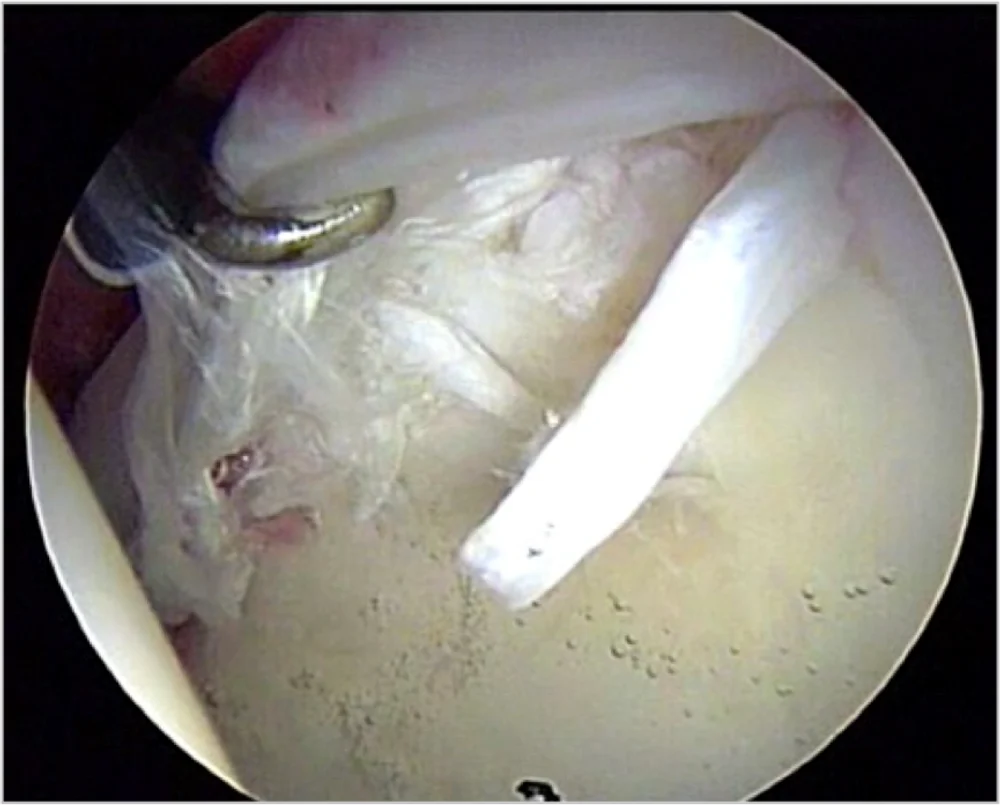
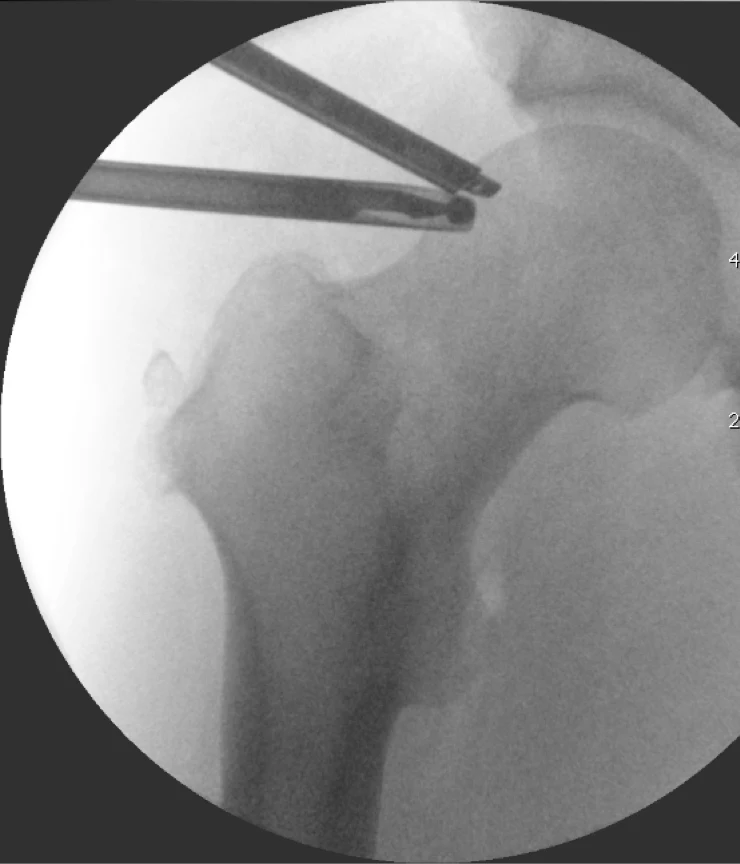
Hip arthroscopy is a joint-preserving closed surgical technique that involves accessing the hip joint through small incisions using a camera and surgical instruments. It particularly aims to prevent or delay the development of osteoarthritis by repairing joint damage in young and active patients.
Indications
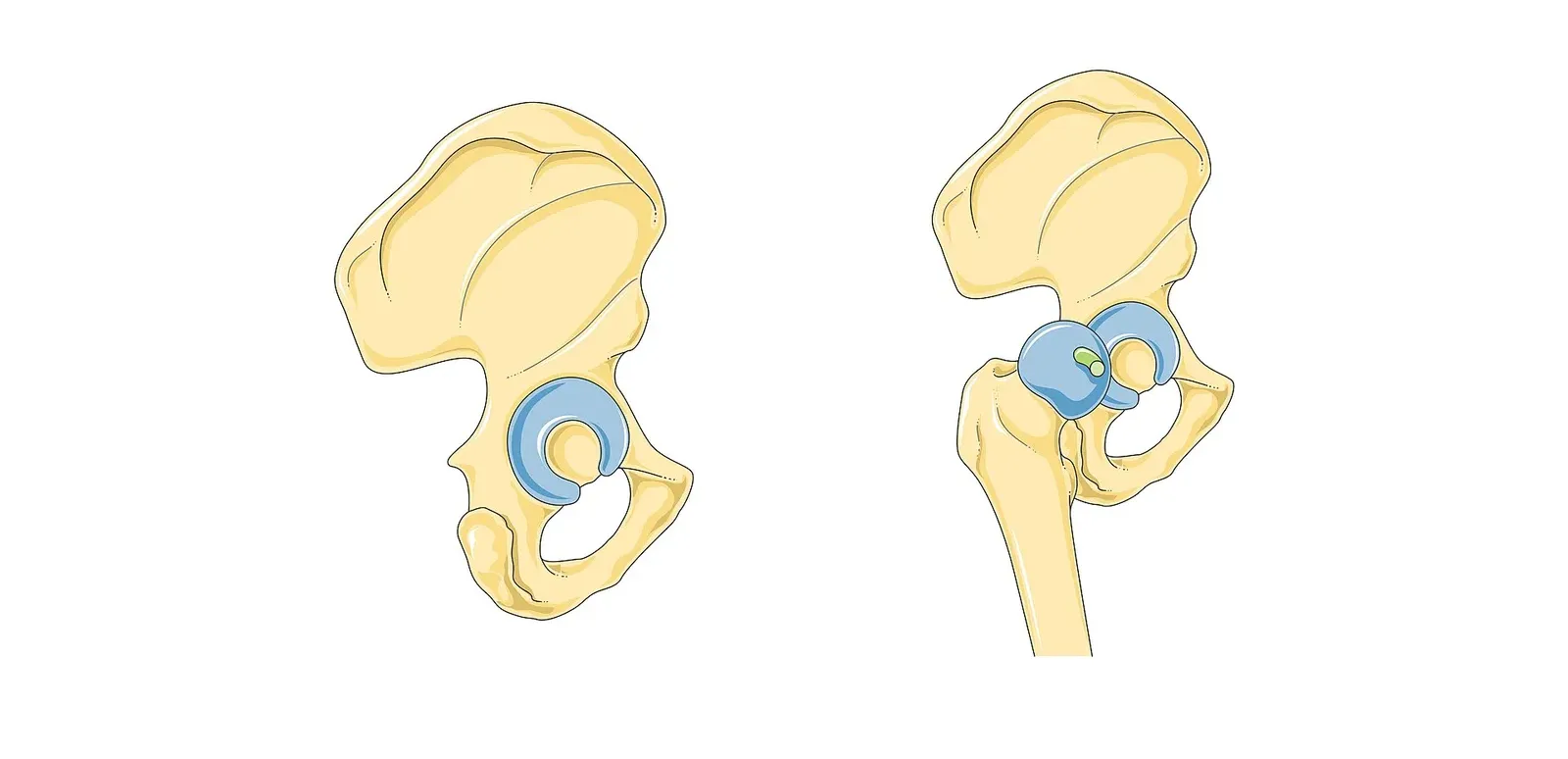
- Labral repair / reconstruction: Fixation of the torn labrum to the bone with anchor sutures
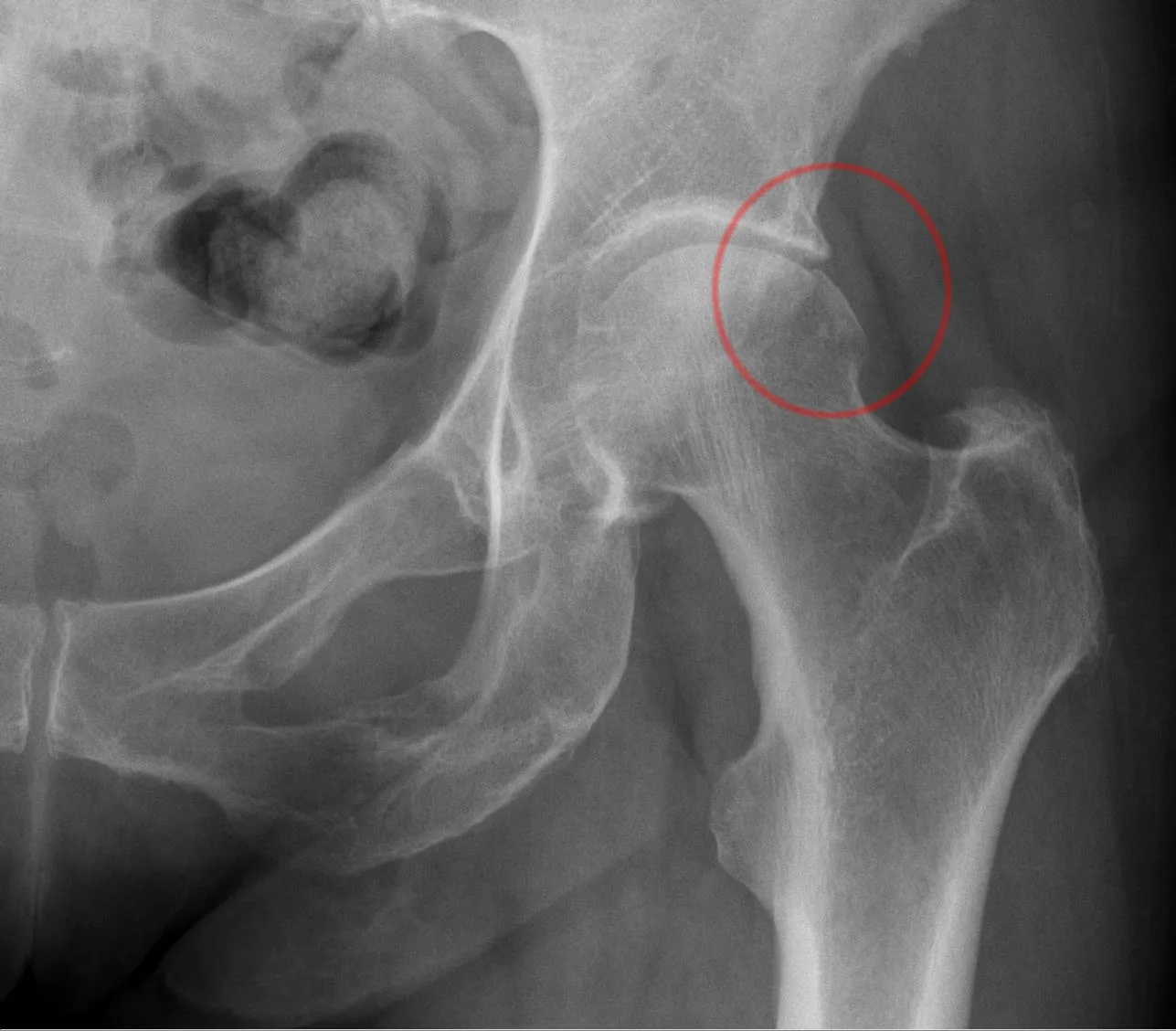
- Cam resection (osteoplasty): Shaving of the bony prominence on the femoral head
- Pincer resection: Correction of excessive bony overhang at the acetabular rim
- Cartilage procedures: Debridement, microfracture
- Removal of intra-articular loose bodies and treatment of synovial diseases
Who Is a Suitable Candidate?
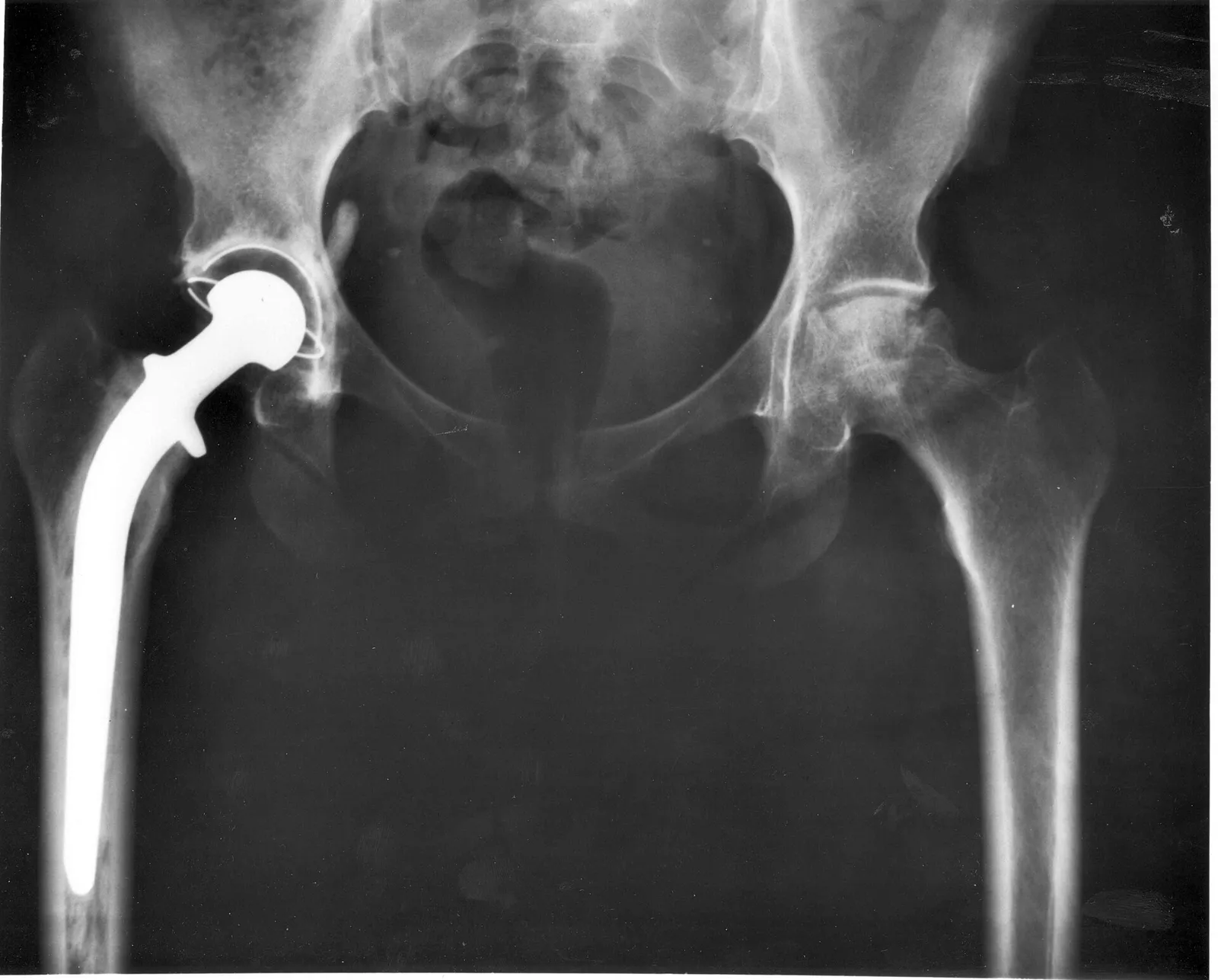
Hip arthroscopy yields the best results in patients with preserved joint space and no advanced osteoarthritis. In the presence of advanced osteoarthritis, arthroscopy does not relieve pain; in such cases, total hip replacement is the appropriate choice.
Surgery and Recovery
The surgery is performed on a specialized traction table; the joint is separated in a controlled manner to insert the camera. The procedure takes 1.5–3 hours. For labral repair, partial weight-bearing with crutches is applied for the first 4–6 weeks to protect healing; return to daily activities with physical therapy takes 6–8 weeks, while return to sports may take 4–6 months.