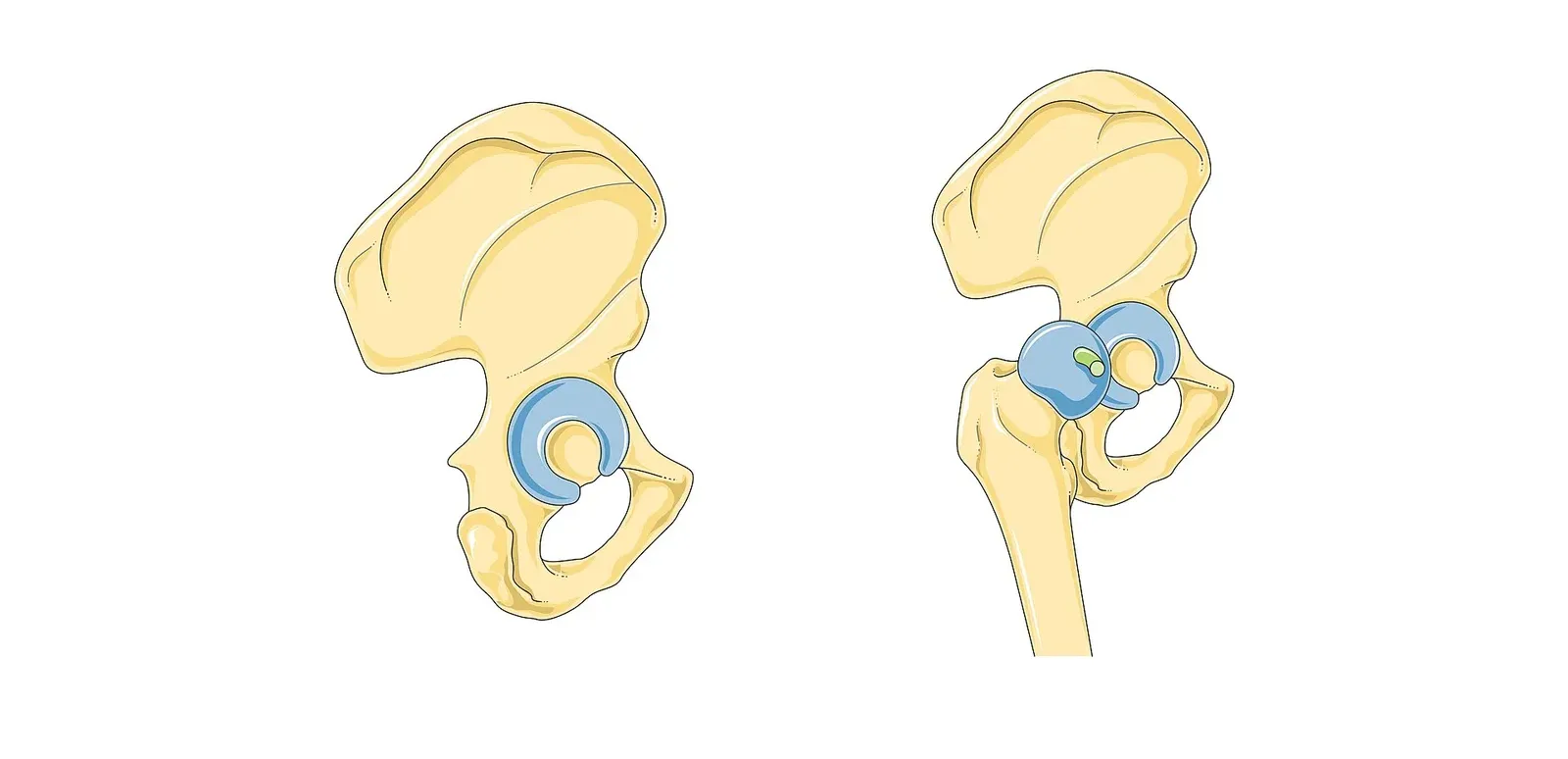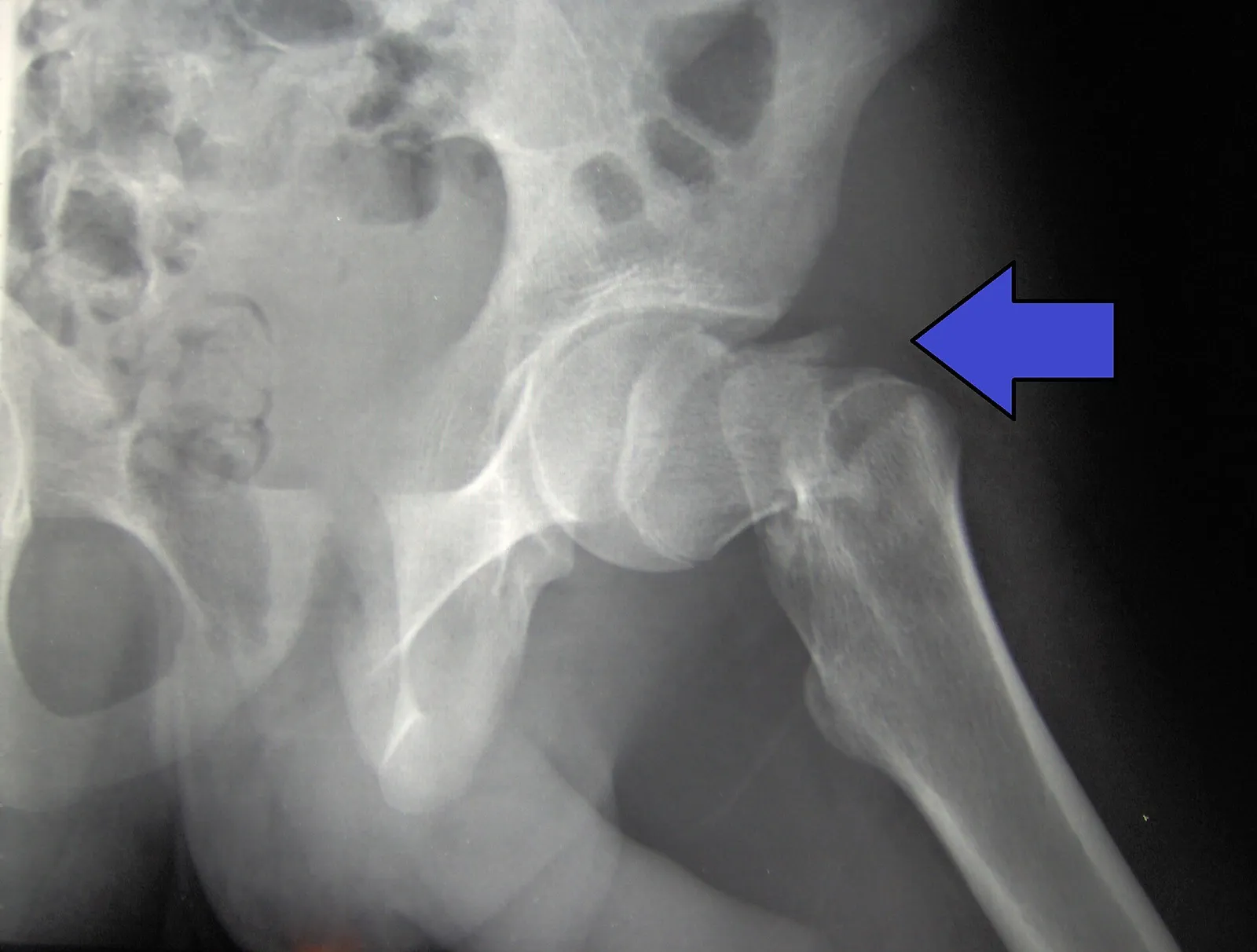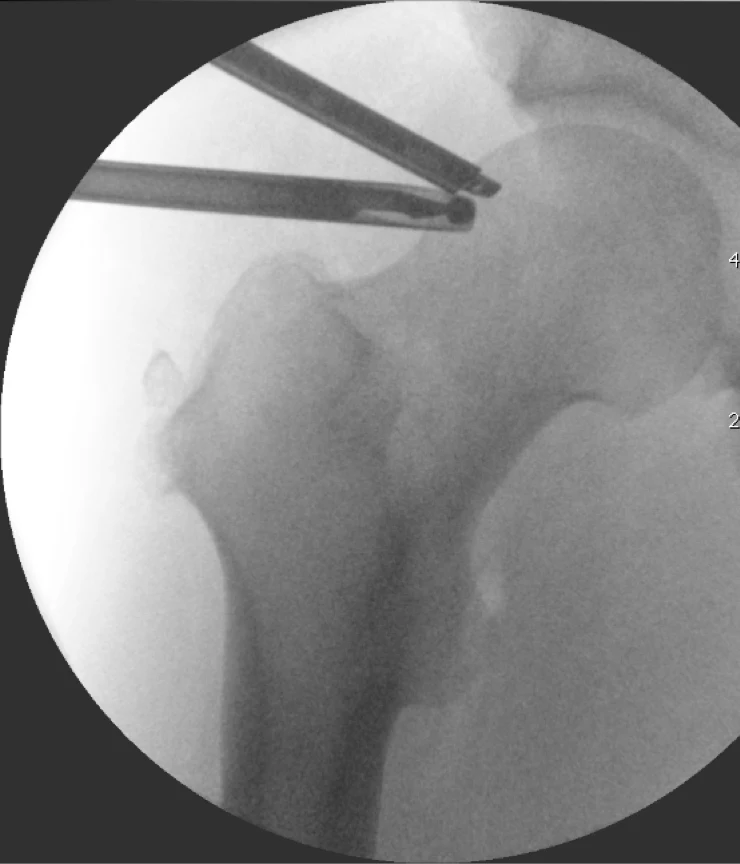

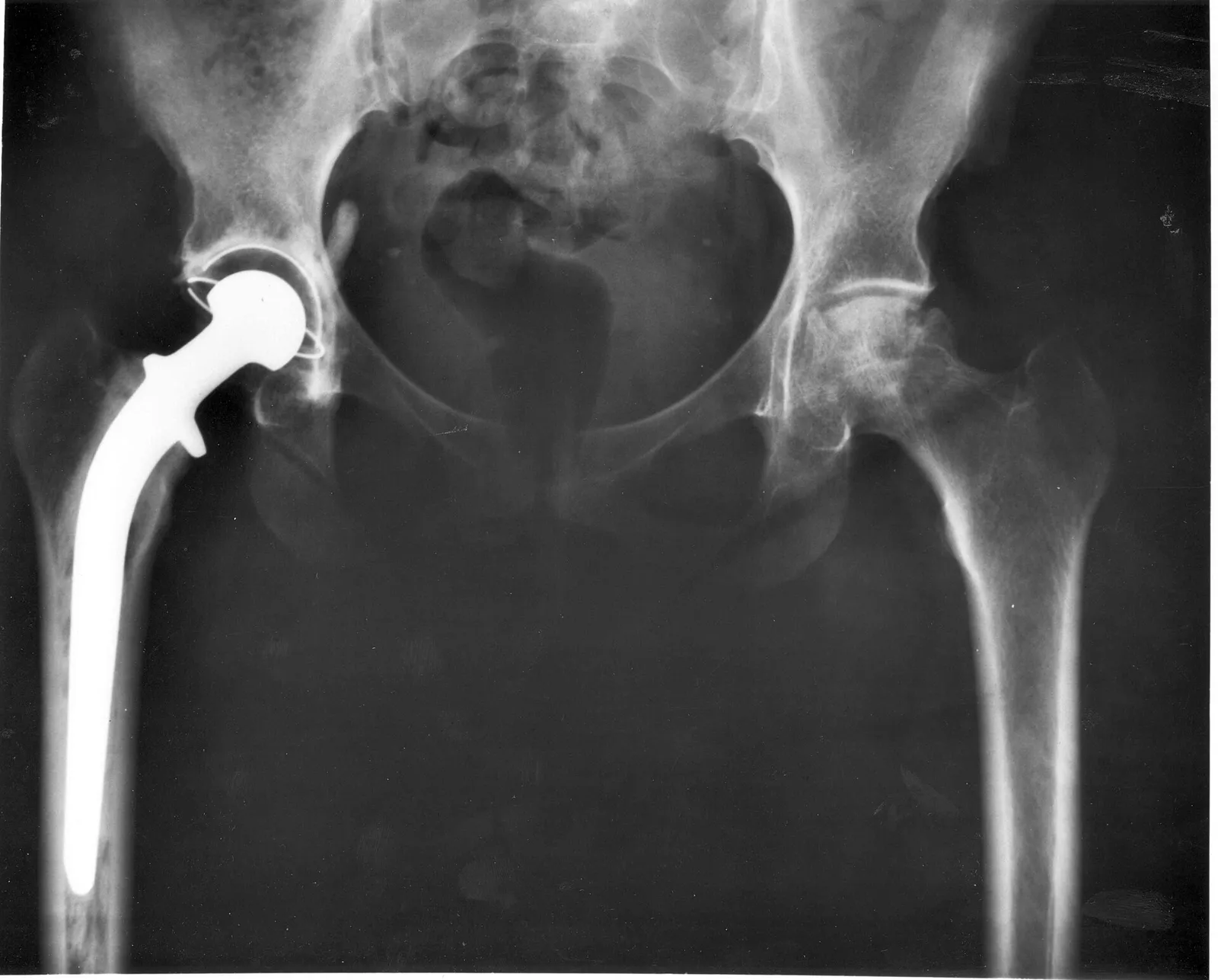
The hip joint is one of the body’s largest joints, connecting the legs to the torso and serving as the primary load‑bearing structure for walking and changing positions. Hip replacement surgery (total hip arthroplasty) involves replacing the damaged joint surfaces with artificial components in diseases that irreversibly impair joint function.
Who Undergoes Hip Replacement Surgery?
Hip replacement is indicated for osteoarthritis (degenerative joint disease), avascular necrosis (bone death), peri‑hip tumors, hip fractures seen in the elderly, and severe joint damage developing on the background of hip dislocation. Pain alone is not sufficient for surgery; the decision for operation is made when it is understood that joint function cannot be restored by any other means.
How Is the Surgery Performed and How Long Does It Take?
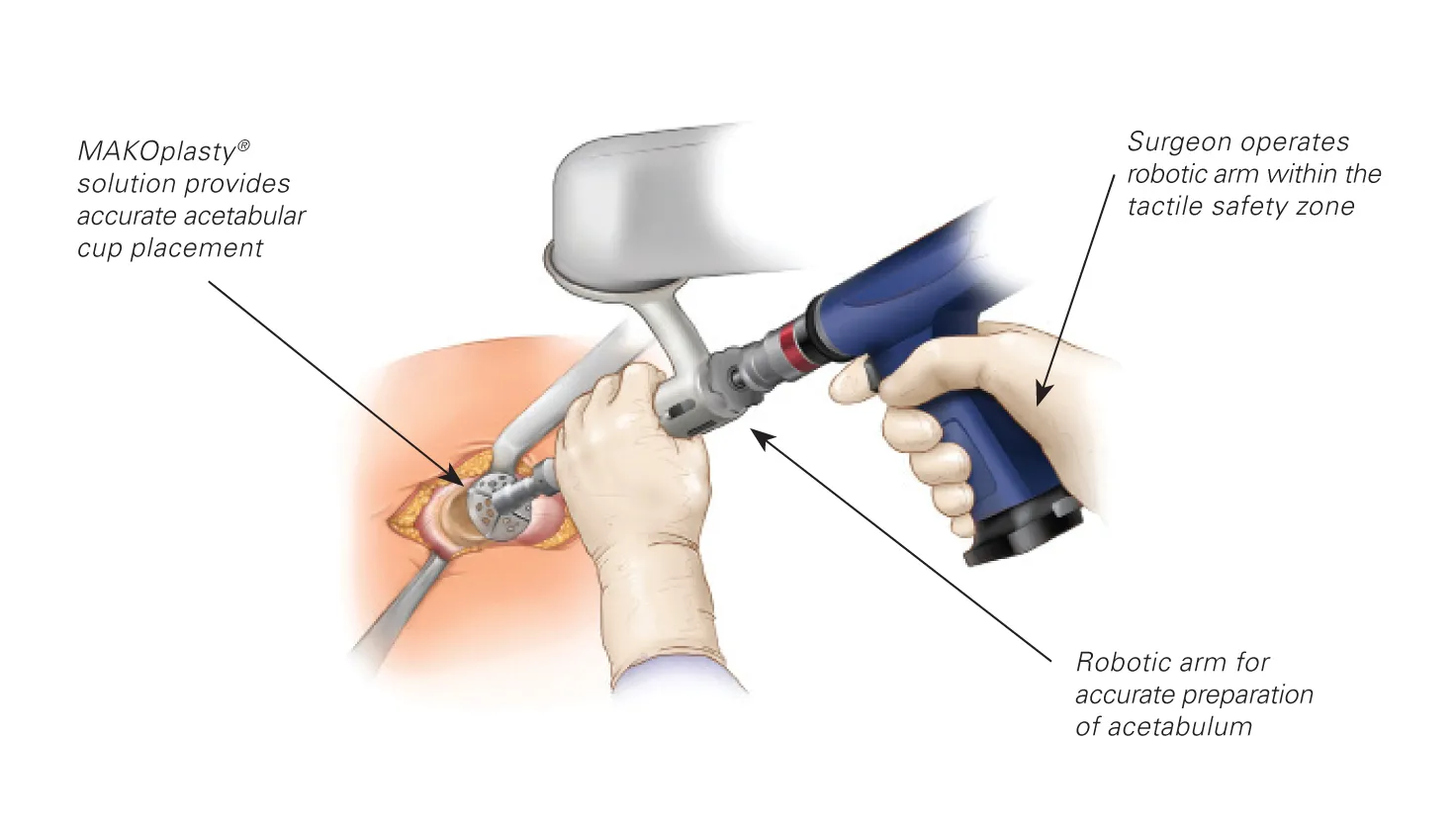
Hip replacement surgery is an open procedure; there is no closed prosthetic surgery. A standard prosthetic operation lasts about 1 hour. Both general and regional (spinal/epidural) anesthesia are possible; regional anesthesia is frequently preferred, taking into account the patient’s comorbidities and postoperative pain management. In suitable patients, robot‑assisted (Mako) prosthetic surgery can achieve millimetric precision in implant placement.
Recovery Process
- Patients begin walking the same day or the next day
- Short corridor walks for the first 3 days, with outdoor walking targeted by week 3
- Hospital stay is typically 3–4 days
- A caregiver familiar with basic principles is recommended for the first 3 weeks at home
- Driving is usually allowed after 4–6 weeks, and return to sports after 4 months or later
Prosthesis Longevity and Materials Used
In prostheses, the components fixed to bone are made of metal, while the articulating surfaces consist of ceramic‑plastic, ceramic‑ceramic, or metal combinations. Although particles released from the bearing surface can lead to long‑term loosening, current studies show a prosthesis lifespan of roughly 20 years. Ceramic‑ceramic and ceramic‑plastic surfaces have the lowest wear rates.
Risks and Precautions
- Infection: This risk, present in all surgeries, is more critical in prosthetic procedures. Pre‑operative control of infection sources (urinary tract, dental, skin), protein‑rich nutrition, laminar‑flow operating rooms, and sterilization protocols minimize the risk.
- Prosthetic dislocation: With modern implants and surgical techniques the risk is low; for the first 3–6 months, avoid low‑sitting positions and leg‑crossing movements.
- Metal allergy: Very rare; patients with nickel allergy can receive specially alloyed implants.
- Loosening/wear: May develop long‑term; regular follow‑up allows early detection.
Quality of Life
Hip replacement is a surgery that markedly improves quality of life. Because hip problems progress insidiously, patients often do not realize how much their quality of life has declined; the most common post‑operative comment is “I wish I had done it sooner.” Prosthesis is the last resort, but it should be planned when functional loss becomes evident, not after the patient becomes bedridden.
Surgical Cases (Case Presentations)
60‑year‑old female patient: Treated with total hip replacement for right‑hip pain and limited motion that developed after corticosteroid use.


56‑year‑old female patient: Presented with severe pain, limited motion, and leg length discrepancy due to osteoarthritis developing on a background of hip dislocation. Treated with total hip replacement and bone grafting to the superior acetabular region.
30‑year‑old female patient (Rheumatoid Arthritis): The initial prosthetic surgery had been performed at another center; due to acetabular bone deficiency the cage and polyethylene liner had migrated, resulting in prosthetic dislocation. In revision surgery, an acetabular shell prepared from cadaveric pelvic bone was implanted, followed by a new cage and prosthesis — restoring function and creating bone stock for future revisions.