
On this page· 3 sections
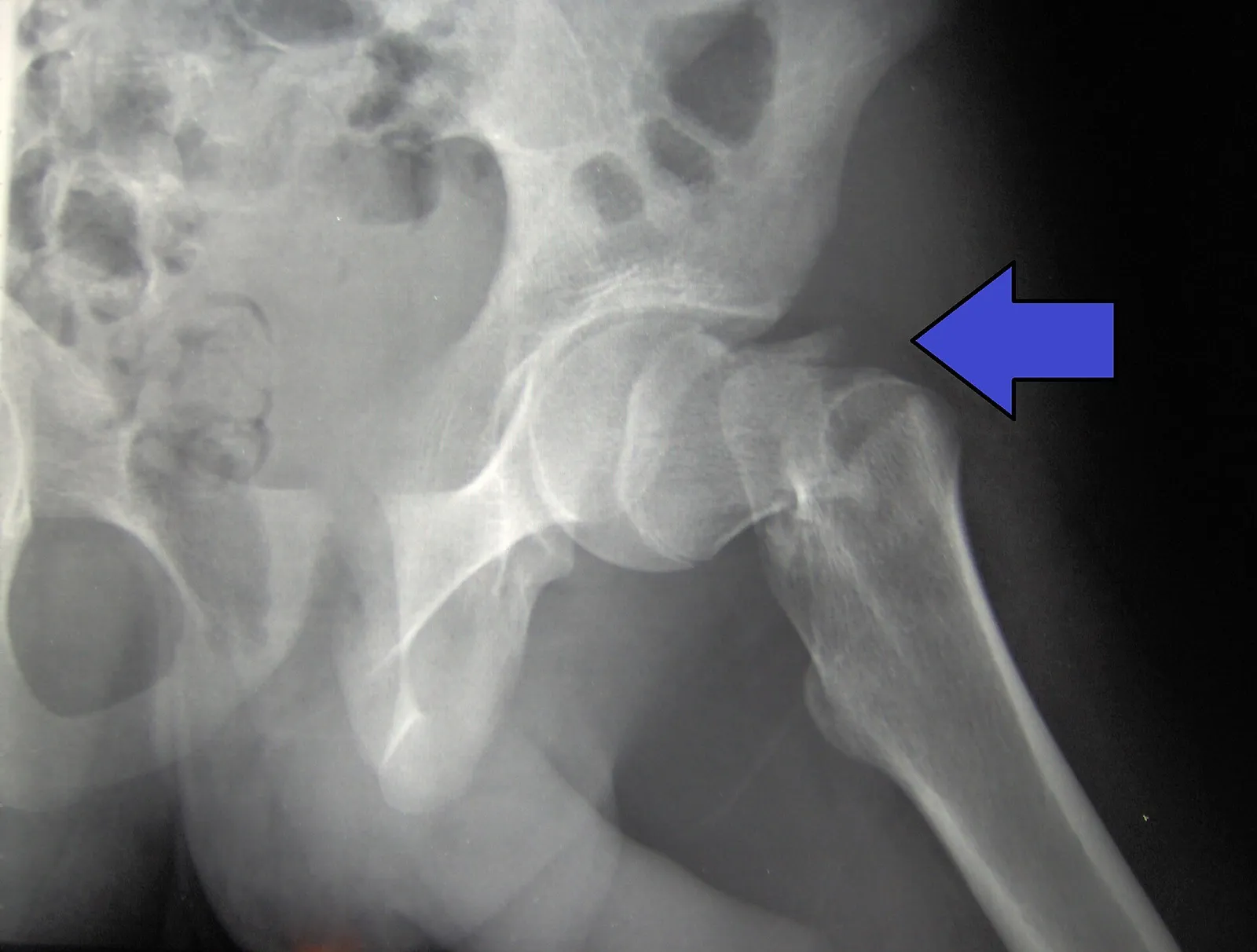
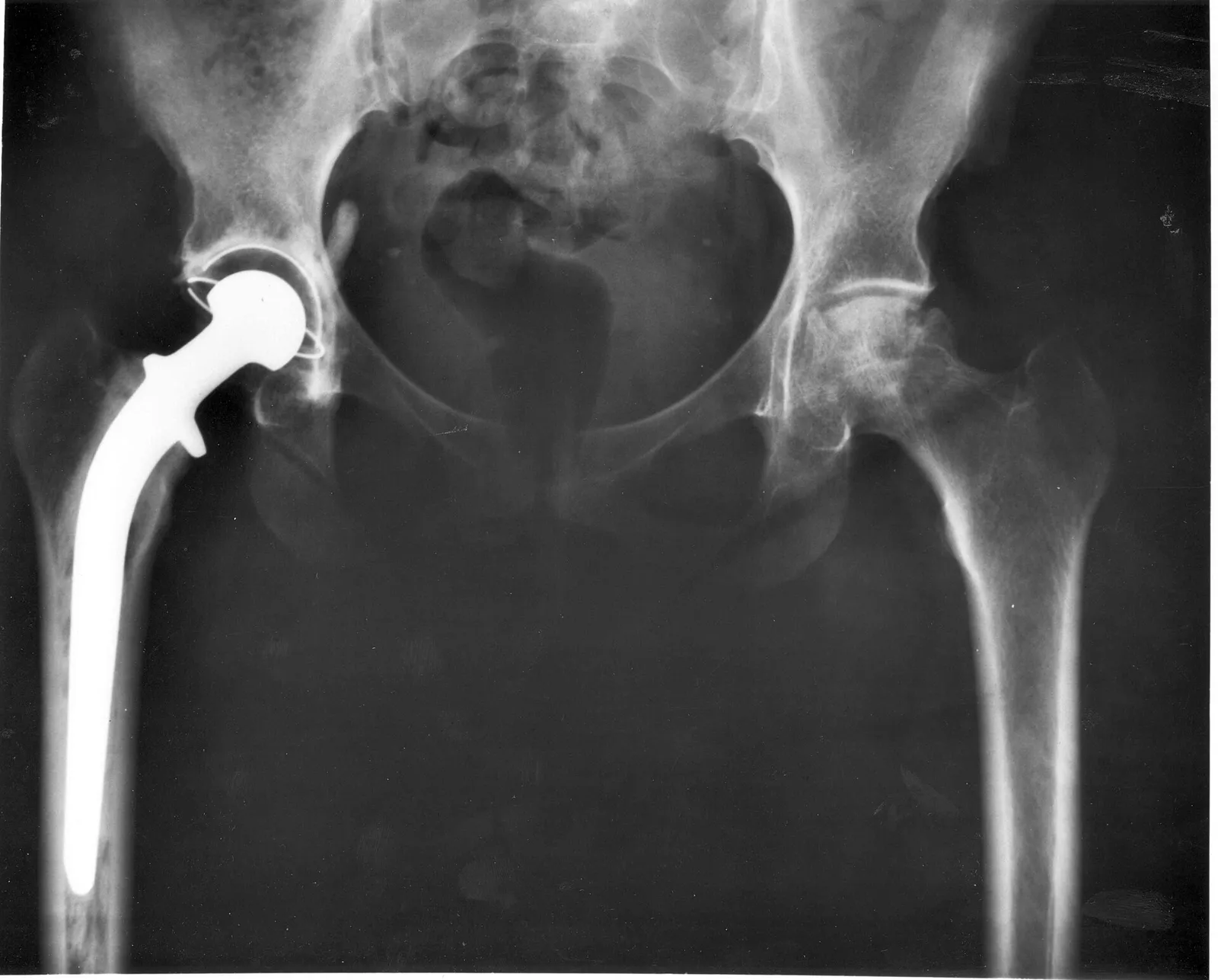
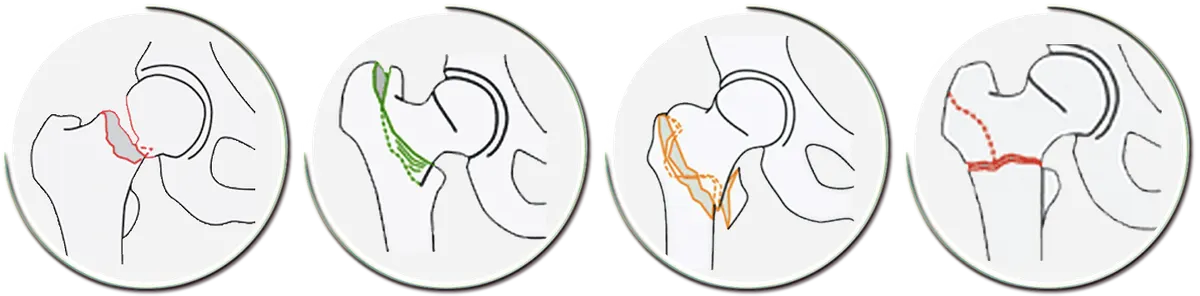
Hip fracture surgery is performed using two basic surgical strategies according to the anatomical location of the fracture: intramedullary nailing or prosthesis. The goal is to mobilize the patient as soon as possible with full weight‑bearing.
Surgical Choice According to Fracture Type
Trochanteric Fractures → PFNA (Nailing)
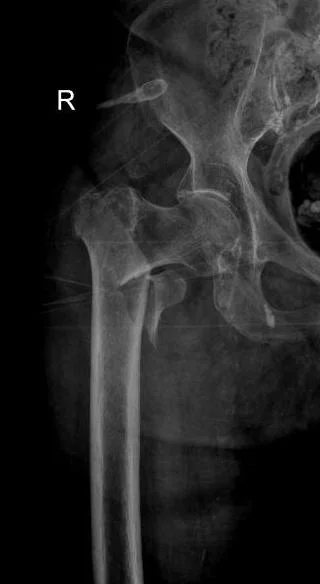
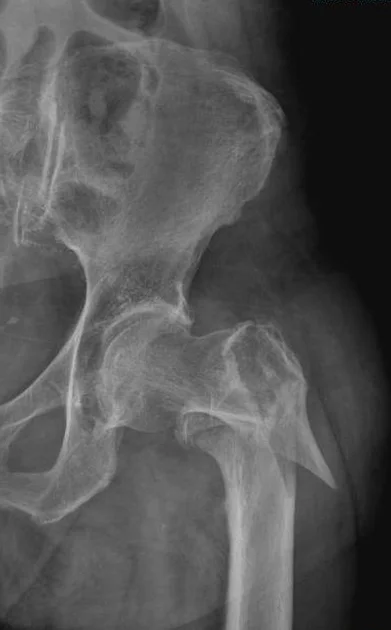
In fractures of the trochanteric region of the femur, an intramedullary nail (PFNA) is used: a small incision over the hip is made and the nail is inserted into the bone, with the femoral head fixed to the nail using a spiral screw. Because the bone vascularity is preserved in this area, the healing rate is high.
Femoral Neck (Collum) Fractures
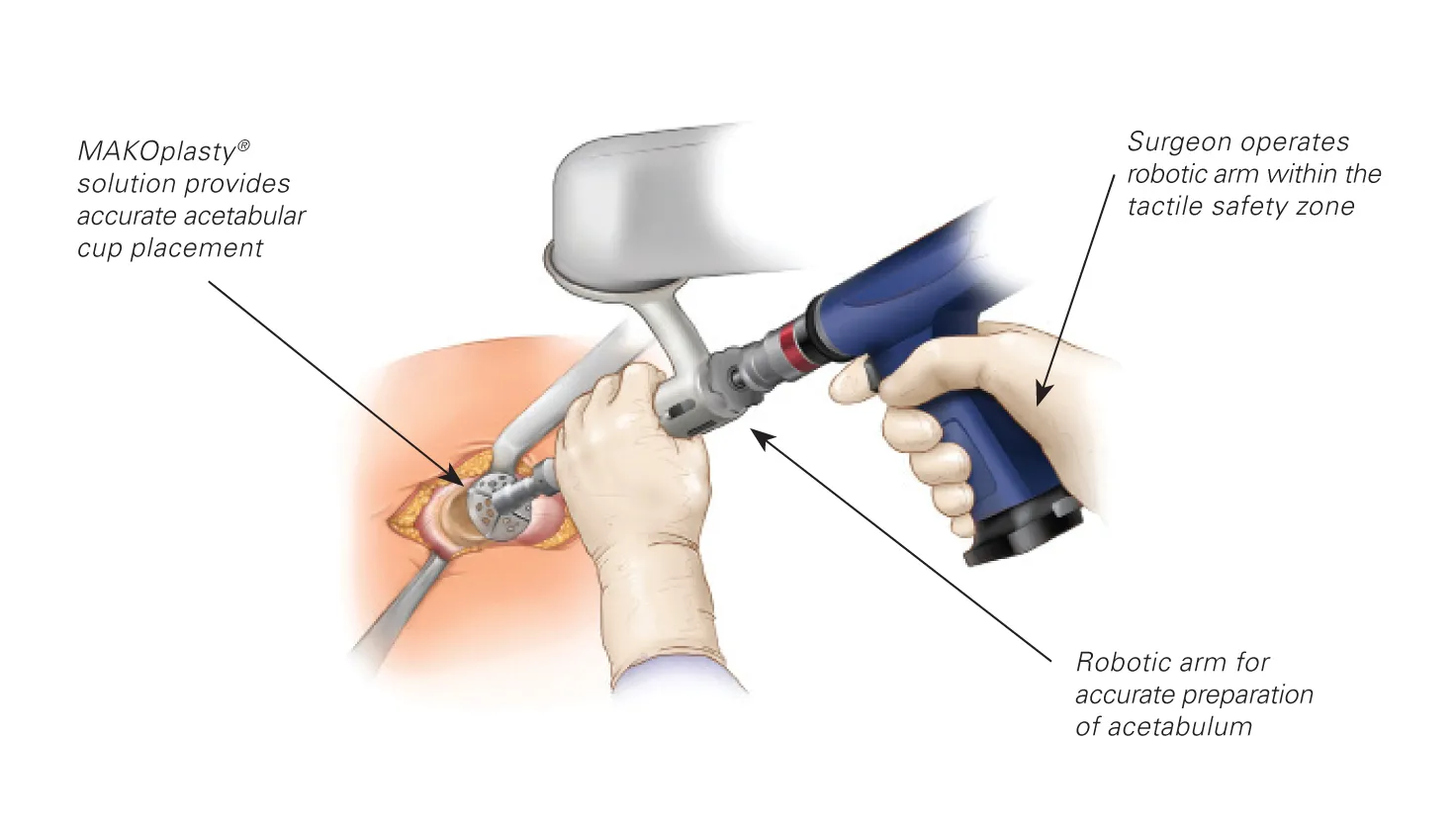
- In elderly patients → Prosthesis: Because the fracture disrupts the blood supply to the femoral head, fixation carries a risk of nonunion; therefore hemiarthroplasty (partial prosthesis) or, in more active patients, total hip arthroplasty is performed. The patient can bear full weight and walk immediately after surgery.
- In younger patients → Fixation: The bone is preserved; the fracture is reduced to anatomic alignment and stabilized with screws or specialized plates.
Timing and Process of Surgery
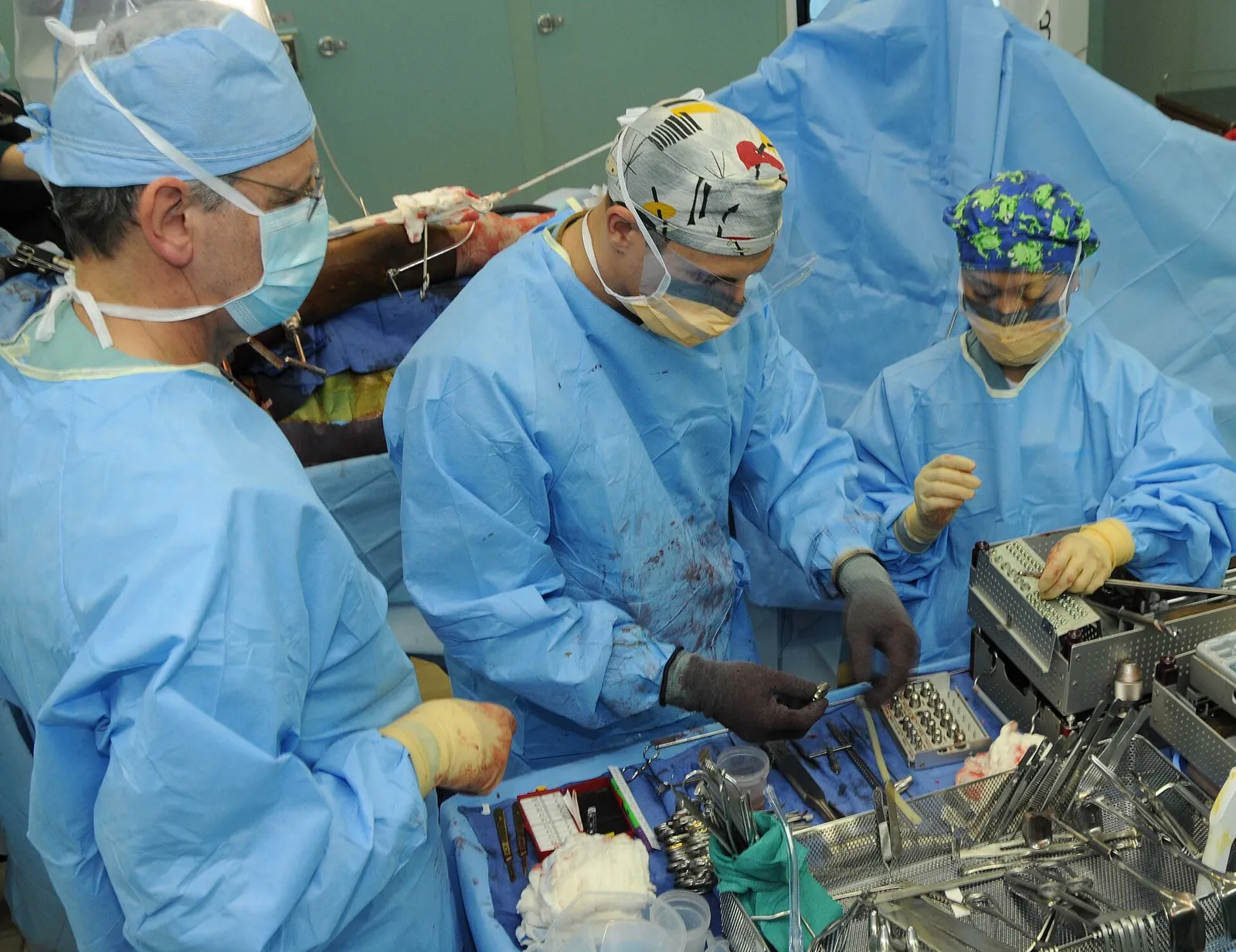
Hip fracture surgery is a life‑saving emergency; after optimizing the patient’s overall condition, it is aimed to be performed within the first 24–48 hours. The operation is usually performed under spinal anesthesia; its duration is 45–90 minutes depending on the procedure.
Post‑operative
- The patient is mobilized with a walker and begins weight‑bearing within 1–2 days.
- Hospital stay is 3–5 days; a physical therapy program follows discharge.
- Osteoporosis treatment and fall‑prevention education must be initiated to prevent secondary fractures.