

On this page· 2 sections
Groin pain is a complaint that can arise from many different anatomical structures and requires an accurate differential diagnosis. In addition to hip joint diseases, the groin muscles, pubic joint, hernias, and even urinary tract problems can cause groin pain.
Main Causes of Groin Pain
Hip joint related
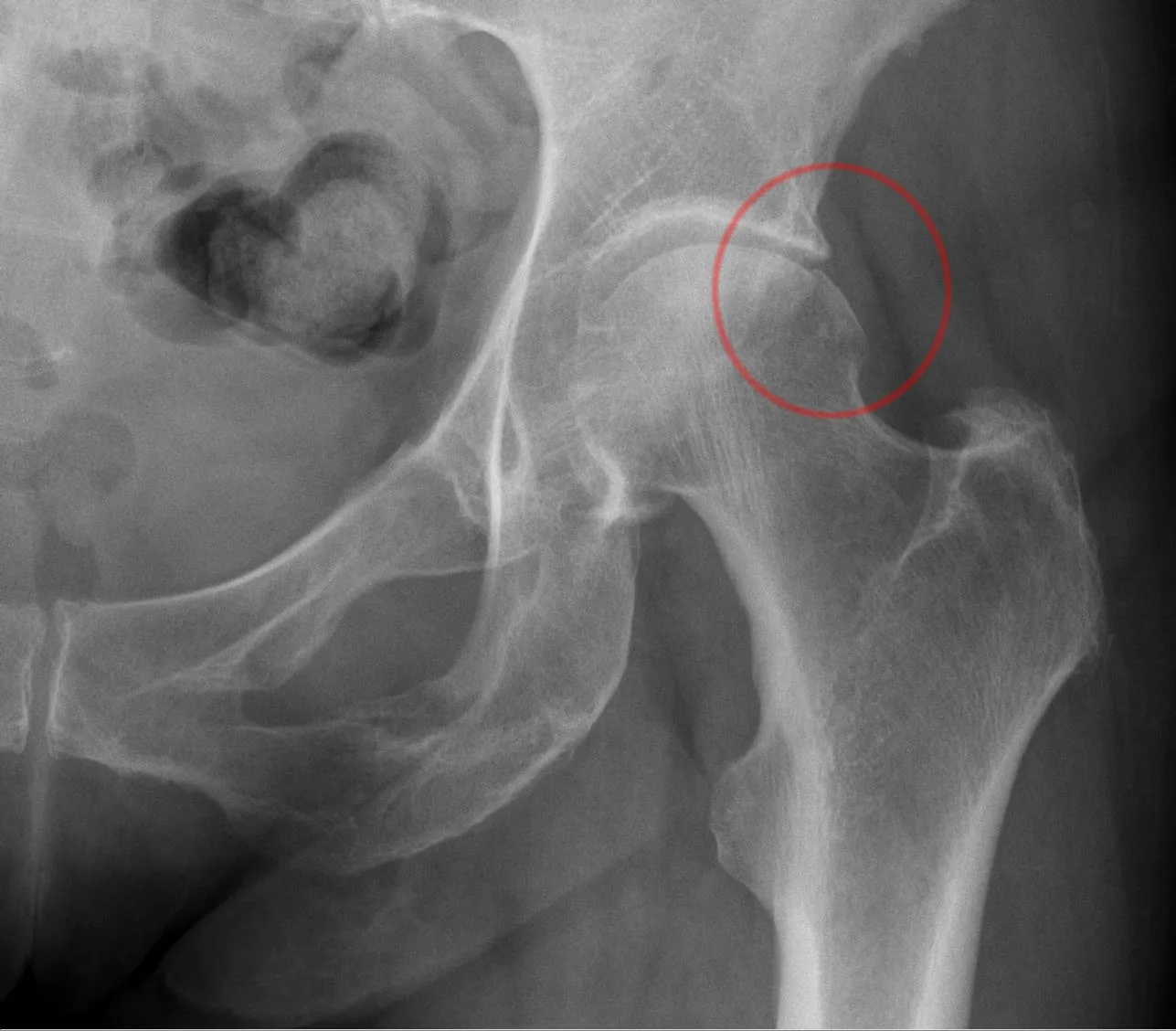
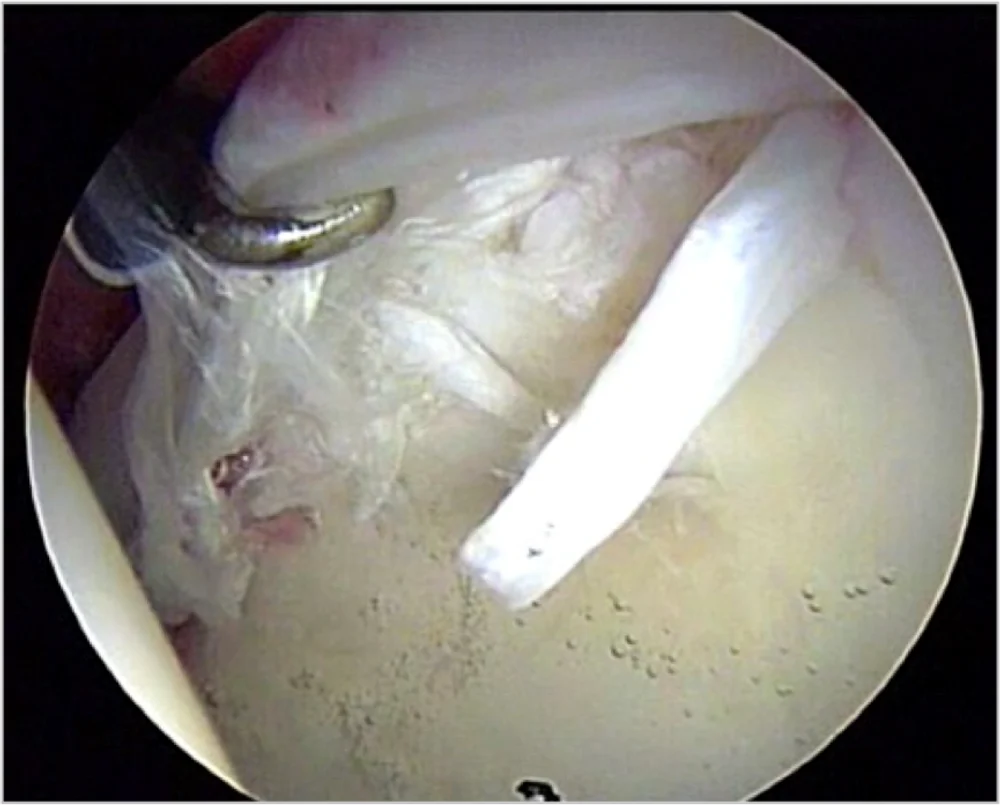
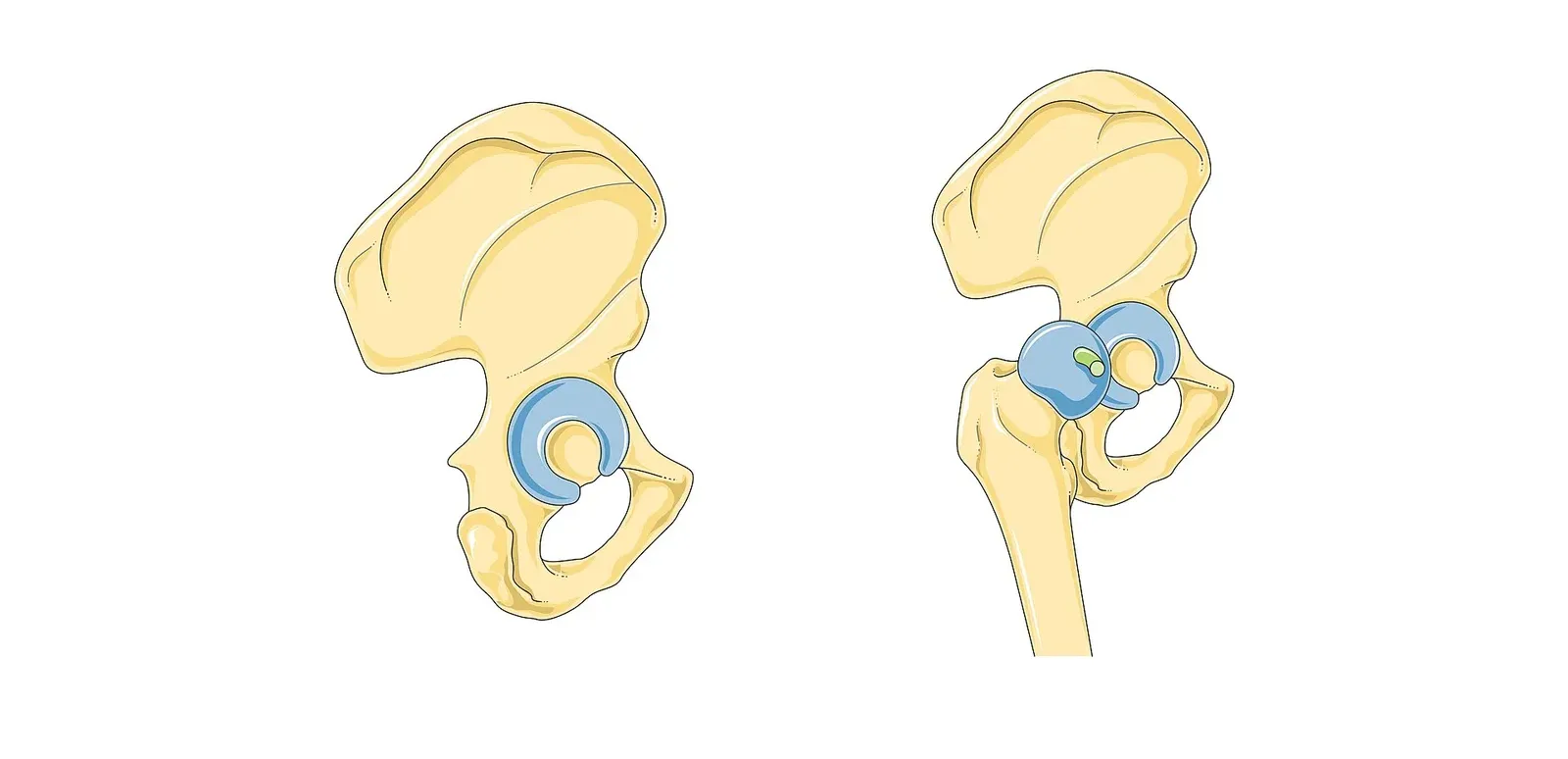
- Femoroacetabular impingement (FAI) and labrum tears — the most common intra‑articular causes of groin pain
- Hip osteoarthritis (may start with groin pain in early stages)
- Avascular necrosis
Muscle and tendon related
- Adductor (inner thigh) strain: stretching/tearing of muscle fibers during sudden acceleration, kicking, or twisting movements; the most common groin injury among football players
- Sports hernia (athletic pubalgia): not a true hernia; damage to the abdominal wall and adductor tendons due to repetitive strain
Pubic joint related
- Osteitis pubis: inflammation developing in the pubic symphysis joint due to repetitive stress; causes groin and lower abdominal pain
Other causes
Inguinal hernia, urinary tract infections, and referred pain from lumbar disc herniation should also be considered in the differential diagnosis.

Diagnosis and Treatment
Evaluation includes physical examination (joint tests, muscle provocation, hernia assessment), X‑ray, MRI, and diagnostic injection when needed. Treatment is directed at the cause:
- Muscle strains → rest + progressive physical therapy
- Osteitis pubis → conservative treatment and rarely injection
- Sports hernia → first rehabilitation, surgical repair in refractory cases
- FAI/labrum-related groin pain → hip arthroscopy
If groin pain persists for more than 2–3 weeks or interferes with activity, an orthopedic evaluation is recommended.
Frequently Asked Questions
What are the most common causes of groin pain?
Adductor (inner thigh) muscle strain, hip joint problems (FAI, labrum tear), osteitis pubis, athlete's hernia (sports pubalgia), hernias and urinary tract issues are the most frequent causes.
Is groin pain caused by hip joint disease?
Hip joint pain often radiates to the groin area. Painful joint movements and positive impingement tests suggest a joint origin; it can be confirmed with diagnostic injection.
What is athlete's hernia (sports pubalgia)?
It is damage to the muscle‑tendon structures in the groin region due to repetitive strain; it is not a true hernia. Common in football players, it causes pain during sudden direction changes and sprints.
What is osteitis pubis?
An inflammatory condition of the pubic symphysis caused by repeated micro‑trauma; it causes pain in the groin and lower abdomen and difficulty walking. It usually resolves with conservative treatment.