
On this page· 3 sections
Competition and the desire for maximum power can bring excessive training and technical errors. The mechanism of tennis shoulder and prevention methods.
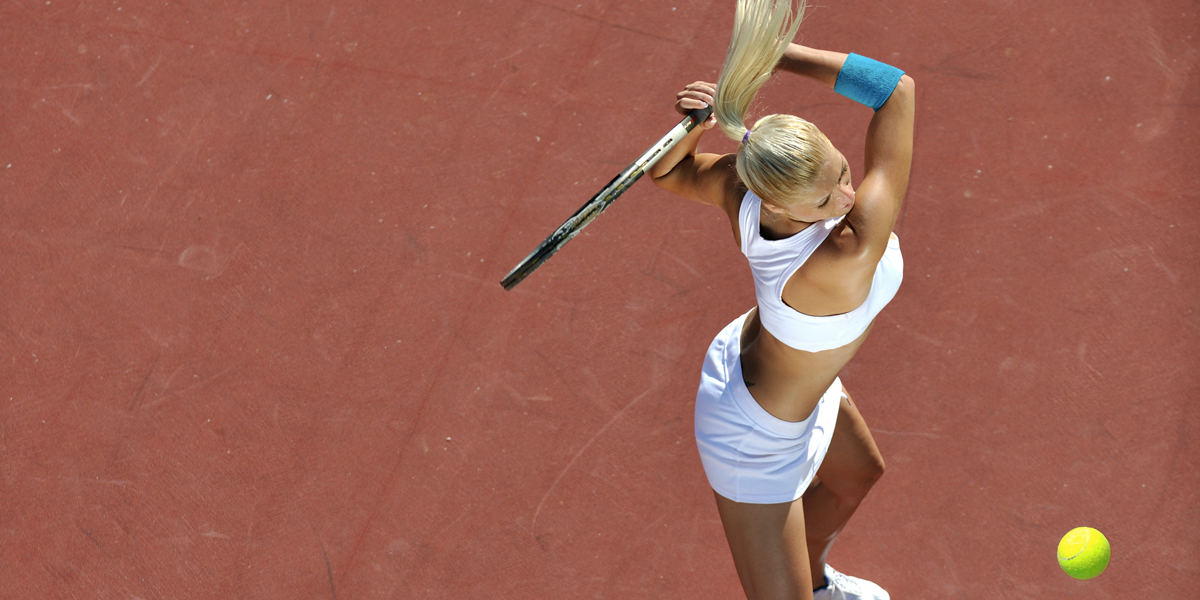
Tennis is one of the sports that requires using the shoulder joint beyond its normal limits. The desire for competition and maximum power can bring excessive training and technical errors; the condition known as “thrower’s shoulder” is also common in these athletes.
How the Injury Develops?
Acute injuries often occur when play starts without adequate warm‑up and stretching. Chronic problems develop through a more complex mechanism:
- The scapula shifts forward over the thoracic cage
- The shoulder joint is excessively stretched backward — especially during the serve, the joint has to stretch more than normal
- The anterior capsule loosens while the posterior capsule tightens (GIRD — glenohumeral internal rotation deficit)
- The muscles that hold the scapula in place become fatigued and unable to function
These changes are initially an adaptation to the throwing motion; over time, however, they turn into permanent structural alterations.
Observed Problems
With proper training techniques and posture‑correcting exercises, most pain‑causing issues can be resolved. However, in progressive cases:
- SLAP lesion — superior labral tears
- Capsular laxity (instability)
- Rotator cuff impingement — especially internal impingement
may develop and surgical intervention might be required.
Prevention
- Adequate warm‑up and shoulder‑scapular stretching exercises before playing
- “Sleeper stretch”‑type stretches that maintain posterior capsule flexibility
- Regular strengthening of scapular stabilizer muscles
- Rest when pain begins — “playing through pain” worsens the injury
If your shoulder pain worsens with serving or throwing motions, early evaluation can resolve the issue before it progresses to lesions requiring surgery.